


The government on July 4, 2026, removed emergency limits on natural gas supplies that were introduced during the West Asia crisis in March. Officials pointed to a ceasefire, ongoing talks, and restored shipping through the Strait of Hormuz as reasons for returning supplies to fertilizer plants, refineries, distributors, and industrial users. The Petroleum and Natural Gas Ministry amended the Natural Gas (Supply Regulation) Order, 2026, and removed rules that had directed domestic gas and imported LNG according to an earlier priority list.
In March, the minister had outlined an immediate priority sequence to Parliament. Homes connected to piped gas and vehicles using CNG were to receive full supply. Industrial users could get up to 80 percent of their prior six-month average. Fertilizer plants were allocated up to 70 percent to protect farming inputs before the sowing season. Refineries and petrochemical units faced managed cuts, with gas redirected to higher-priority areas.
The latest step follows earlier actions to ease gas availability after supply conditions improved. On June 25, supplies of industrial and commercial LPG were restored to pre-crisis levels.
The change is expected to help fertilizer plants, refineries, city gas distributors, and industries such as ceramics, which require steady and affordable natural gas. Fertilizer production accounts for most of India’s LNG demand growth in recent years. Natural gas is a key input for urea, which is made by converting methane into ammonia.
Ceramic manufacturers in Gujarat’s Morbi region were also affected during the peak of the crisis, with hundreds of factories and many workers impacted by shortages of propane and natural gas.
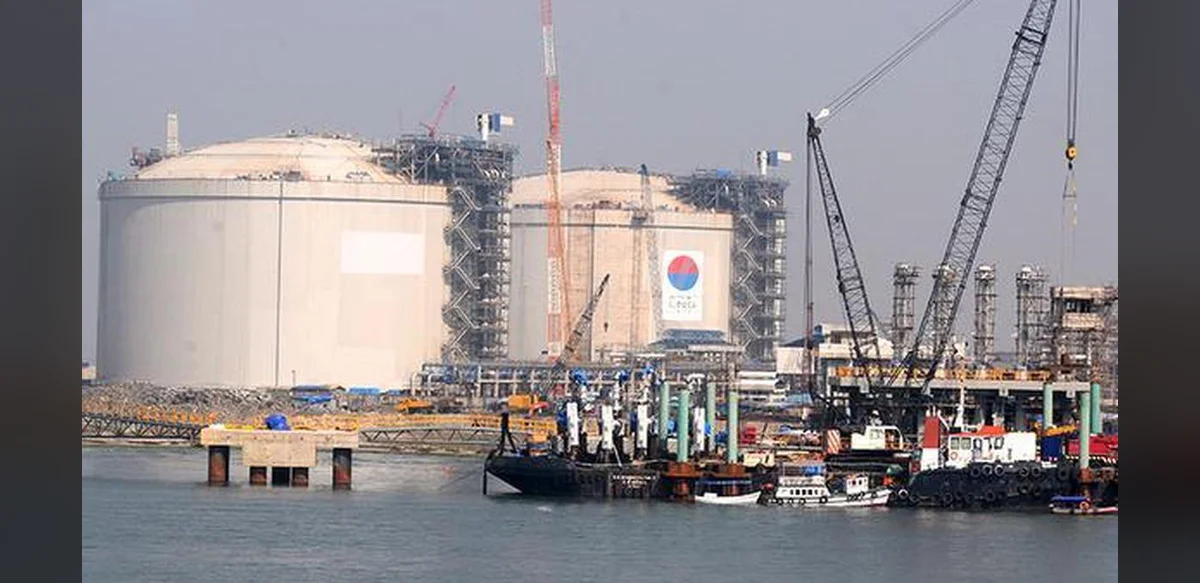
LPG, used mainly for cooking, consists of propane and butane stored under pressure. India imports about 60 percent of its LPG and turned to U.S. sources when shipments via the Strait of Hormuz were halted. LNG is methane cooled to around minus 160 degrees Celsius for transport and later regasified at terminals.
India has diversified its energy imports in recent years. Officials noted that expanded sourcing, new terminals, and infrastructure helped maintain supply when the strait was closed. Future efforts will focus on building further resilience.

