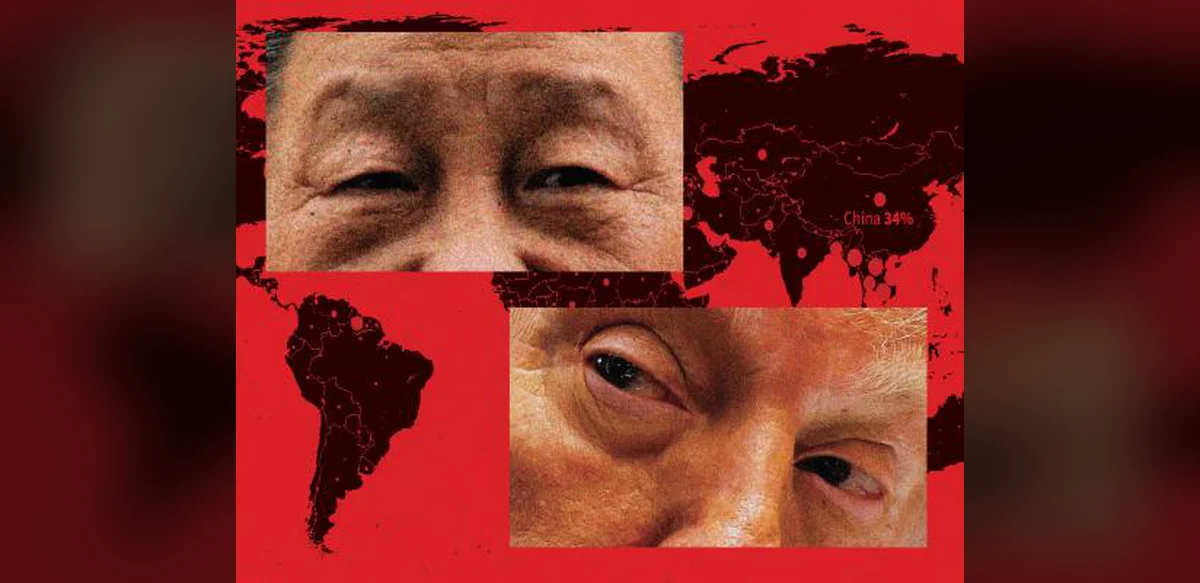
A prolonged trade conflict appears likely. Since tariffs were imposed broadly on imports from many nations last year, countries have sought new partnerships to shield the world trading system. The European Union finalized a long-delayed deal with South America’s Mercosur group. China and Southeast Asian countries expanded their trade pact. Canada’s leader visited Beijing to strengthen links. Efforts to restore open trade structures seem unlikely to succeed. Instead, global commerce faces pressure to curb China’s export growth and its control over key supplies, including medicine ingredients, rare minerals, and vital semiconductors. The United States leads opposition to China, yet nations in Europe and beyond are considering tariffs, local support programs, and export limits. This conflict will raise costs for consumers as Chinese goods face barriers. Factories will pay more for Chinese parts. Chinese sellers will struggle to reach buyers, while American and other exporters may lose access to China’s market. A major danger is that China could restrict critical materials where it holds near-total dominance, as it has in past disputes. The current approach of broad tariffs without clear focus, combined with friction toward potential partners, leaves U.S. policy disorganized. A future government may apply more focused planning. China’s manufacturing share grew from roughly 5 percent in 1995 to about one-third of world output today. Its export portion rose from 3 percent to 20 percent, exceeding half of global shipments for many products. Even Germany expresses concern over competition. China’s current account surplus, estimated at 3.8 to 5 percent of GDP, poses worldwide risks. Analysts suggest China could boost domestic spending through better social support, aiding its economy without overwhelming global markets. Yet some see Beijing prioritizing geopolitical strength over citizen welfare. In a 2020 address, President Xi called for tighter control over production chains to deter supply cuts by others. Past actions include limiting rare earth exports to Japan in 2010 and restricting magnets recently. Similar measures targeted the Netherlands and the United States. China gained from decades of globalization but appears focused on making others reliant rather than pursuing mutual dependence.