


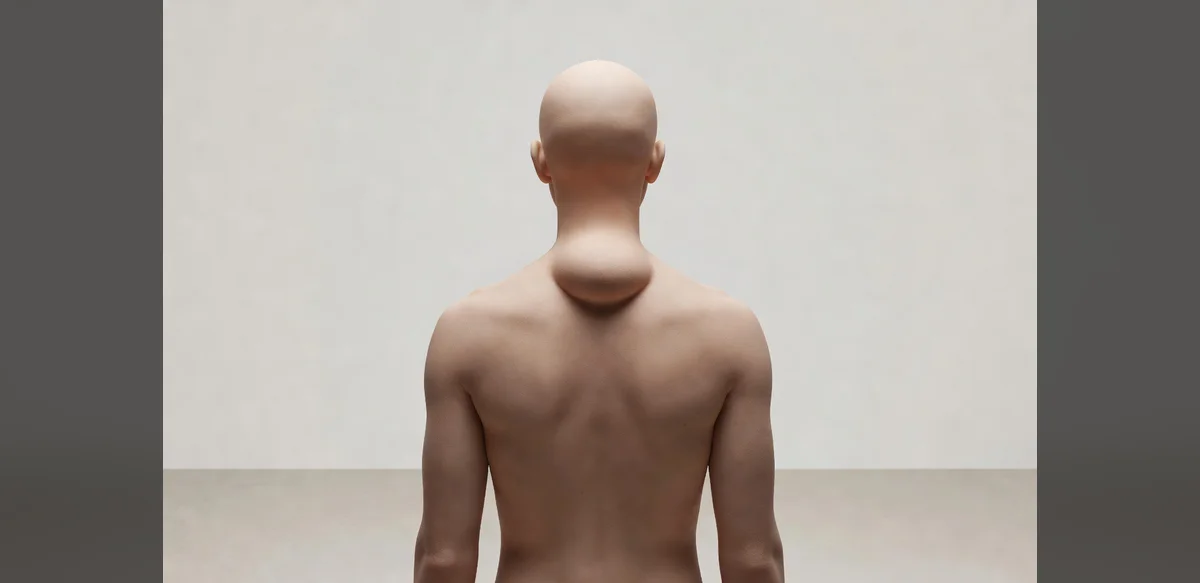
A buffalo hump involves excess fat buildup at the neck’s base, potentially indicating hormonal issues such as Cushing’s syndrome or reactions to steroid medications.
Key Points:
– This condition features unusual fat deposits between the shoulders at the neck’s base.
– It frequently relates to hormonal disruptions, including Cushing’s syndrome, which involves elevated cortisol.
– Extended use of corticosteroids may also trigger similar fat shifts, resembling Cushing’s symptoms.
An evident fat deposit at the rear of the neck, known as a buffalo hump, might initially appear as a mere aesthetic issue. Individuals often attribute it to extra weight or improper stance. However, in certain instances, this bodily alteration could point to a concealed medical problem requiring intervention. Research from the Journal of Medicine and Life indicates that ignoring the root cause may result in serious issues like high blood pressure, type 2 diabetes, and bone weakening.
Defining a Buffalo Hump
This term describes irregular fat gathering between the shoulders near the neck’s base. It can range in prominence and often emerges slowly, making early detection challenging. Although occasionally tied to overall weight increase, a pronounced hump here typically connects to hormonal or metabolic disturbances.
Related: Experts Discuss Benefits of Gond Katira for Managing Weight
Potential Hormonal Link
A primary trigger for a buffalo hump is Cushing’s syndrome, arising from prolonged exposure to elevated cortisol, the stress-related hormone. High cortisol can alter fat placement, leading to traits like:
– A fuller, rounded facial appearance
– Central body fat buildup
– Slimmer limbs
– Prone to bruising and skin marks
Physicians often identify the buffalo hump as a key indicator during assessments for this disorder.
Impact of Prolonged Steroid Treatment
Not every instance stems from internal hormonal problems. Ongoing corticosteroid prescriptions for ailments such as asthma, joint inflammation, or immune disorders can replicate high cortisol effects. Termed iatrogenic Cushing’s syndrome, this occurs when the drugs cause fat redistribution. Those on extended steroid regimens noticing these shifts should discuss with their physician prior to altering treatments.
Role of Excess Weight
Widespread obesity might contribute to fat in the upper back region, though it tends to be more spread out rather than concentrated like a true buffalo hump. The distinction is in the fat’s pattern. If the hump coincides with other atypical signs, it could suggest more than simple weight accumulation.
Additional Factors
Beyond hormonal issues and steroids, a buffalo hump might relate to:
– Chronic poor posture, particularly from extended device usage
– Uncommon inherited disorders
– Lipodystrophy, which disrupts normal fat allocation
These are rarer, underscoring the need for thorough assessment rather than assumptions.
When to Seek Help
Isolated, a buffalo hump might not signify a major concern. But vigilance is advised if it occurs with:
– Sudden or unexplained weight increases
– Tiredness or reduced muscle strength
– Elevated blood pressure
– Blood sugar fluctuations
Such indicators could denote a metabolic or hormonal problem needing professional care.
Diagnostic Approaches
Physicians usually start with a physical check and medical background review. Suspecting a hormonal origin, they might order blood or urine analyses, or scans to measure cortisol and pinpoint the source. Prompt identification can greatly aid in handling the issue.
Related: Study Shows Pre-Pregnancy Obesity May Increase Offspring’s Risk of Fatty Liver Disease
Treatment Options
Management varies by the core reason. For conditions like Cushing’s syndrome, controlling cortisol via drugs, operations, or steroid adjustments can diminish the hump gradually. When linked to weight or posture, modifications like diet control, physical activity, and better ergonomics might enhance its look. More than a mere physical trait, a buffalo hump can reveal internal bodily processes. While not all cases imply severity, overlooking it—especially with accompanying symptoms—is unwise.
Monitor your body’s signals, and consult a professional if anything seems off. Occasionally, a minor visible shift might herald a significant health matter best addressed promptly.

