


Summer calls for straightforward adjustments such as lighter meals, increased hydration, and plants known to ease internal warmth. This practical overview covers five traditional cooling herbs used in Ayurveda, their suitability for warm periods, safe application methods, and simple daily incorporation to ease heat-related issues.
TL;DR – Cooling Summer Herbs in Ayurveda
Hot conditions may increase Pitta, resulting in acidity, irritability, restlessness, reduced appetite, skin inflammation, and internal warmth.
Cooling Herbs Support Balance: Ayurveda suggests plants with sweet, bitter, or astringent properties to ease heat-sensitive systems.
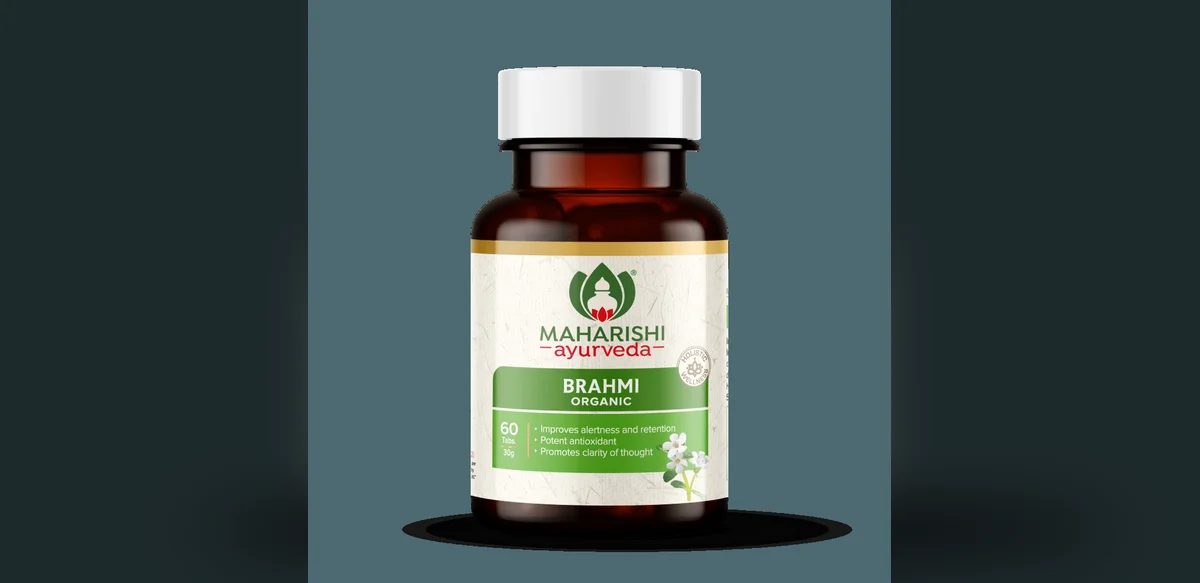
Brahmi Supports Calm & Focus: Brahmi may ease heat-related restlessness, poor concentration, mental fatigue, and summer sleep issues.
Amla Supports Digestion & Skin: Amla offers cooling and antioxidant benefits, traditionally aiding digestion, skin moisture, and Pitta balance.
Gokshura Supports Fluid Balance: Gokshura is traditionally applied for urinary ease and hydration support during heavy perspiration or summer warmth.
Shatavari Nourishes Dryness: Shatavari serves as a cooling tonic traditionally used for tissue moisture, vitality, and mild summer assistance.
Rose Gives Quick Cooling Relief: Rose water, infusions, or rose drinks can refresh the body and calm hot, irritated skin.
Use Herbs Wisely: Select based on personal needs, begin with small amounts, avoid excess, and consult a doctor if pregnant, nursing, on medication, or managing ongoing conditions.
How Ayurveda Views Herbs in Summer
Why Cooling Herbs Matter More in Hot Weather
Ayurveda considers seasons central to wellness routines. During summer, the Dosha known as Pitta, linked to heat and digestion, often rises, leading practitioners to prefer cooling herbs over warming ones. Indicators of excess heat include irritability, acidity, red or inflamed skin, low appetite, and restlessness. Selecting cooling herbs described as sweet, bitter, or astringent helps restore equilibrium to heat-sensitive systems.
Staying Hydrated While Supporting Electrolyte Balance
Summer raises sweating and electrolyte loss; herbs work best alongside fluids and foods containing electrolytes. Examples include coconut water, amla preparations, and lightly salted cooling beverages. Individuals with chronic conditions or taking medications such as diuretics, blood pressure treatments, or heart drugs should seek medical advice before using herbs that affect fluid balance.
How Heat Affects Digestion, Skin, and Mood
Heat may interfere with digestion, dry the skin, and heighten irritability. Many cooling herbs are traditionally employed to aid gentle digestion, preserve skin moisture, and soothe the mind. For instance, amla is valued for its rejuvenating and cooling nature and is commonly used to support digestion and skin health rather than as a medical remedy.
Brahmi — Calm mind and cooling support
1. How Brahmi May Help During Summer
Brahmi, sometimes linked to Bacopa or gotu kola in other traditions, is a well-known cooling herb in Ayurveda. It is traditionally applied to promote mental clarity, reduce heat-induced restlessness, and calm the nervous system. In summer, people often try Brahmi when experiencing poor concentration, heat-related sleep problems, or a jittery sensation from heat stress.
2. Who may benefit most?
Pitta-prone individuals noticing heat-related irritability or focus difficulties.
Students or professionals seeking mild cognitive support in hot months.
Those looking for a calming herbal addition to cool drinks or morning routines.
3. Safety Notes Before Using Brahmi
Brahmi is generally viewed as safe alongside thyroid medicines, yet caution is advised with sedatives or other prescription drugs since herbs may interact. Avoid high doses.

