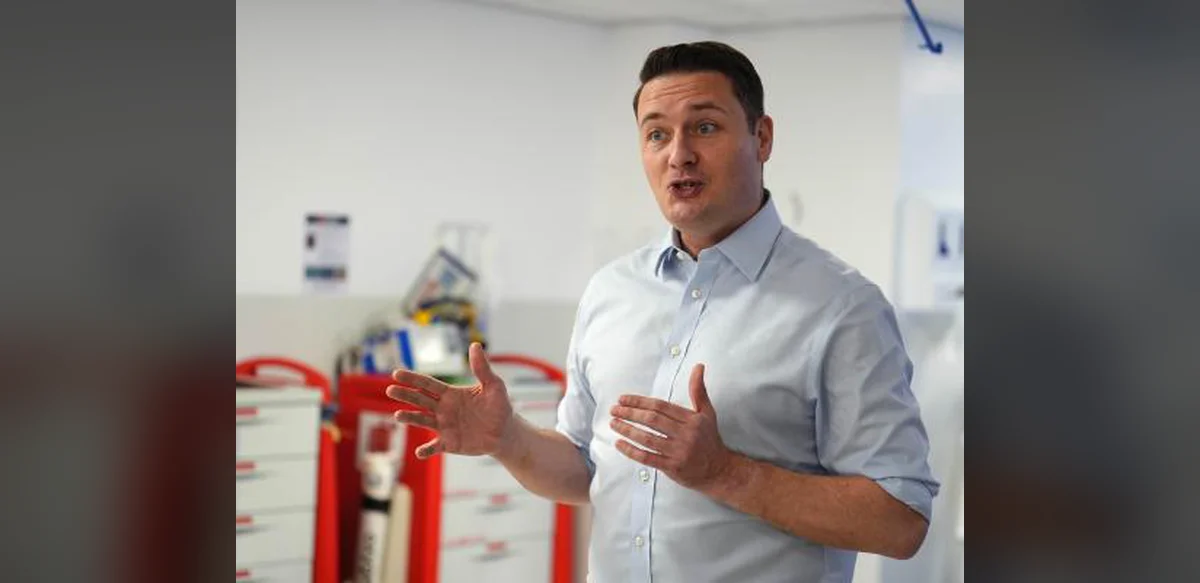
Health Secretary Wes Streeting has pledged to end the dismissal of women’s concerns by medical professionals as he updates England’s women’s health plan. Ahead of the strategy’s release on Wednesday, Streeting highlighted failures in the National Health Service toward women and outlined steps to improve their access to necessary care. The government announced that the plan includes new care standards guaranteeing pain management options for procedures like contraceptive device insertions and hysteroscopies. A pilot program will tie patient feedback to funding for providers, allowing women to influence payments for services based on their experiences. Efforts will also address prolonged delays in diagnosing conditions such as endometriosis, which often takes up to 10 years. A recent report from the women and equalities committee noted that gynecological and menstrual issues have not received adequate government attention. Lawmakers warned that elements of the 2022 women’s health plan, introduced by the previous Conservative administration, could be reduced or eliminated amid broader NHS reforms. This includes programs that shortened wait times and enhanced care access, such as specialized women’s health centers. Committee chair and Labour MP Sarah Owen described it as a catastrophe for girls’ and women’s menstrual care, which urgently requires more resources. She pointed out the shocking figure of nearly 500,000 women on hospital gynecology waiting lists, despite available treatments in primary or community settings if accessible. The report highlighted systemic bias in medicine, where women are expected to endure pain silently due to insufficient knowledge of their health conditions. Streeting stated that women have been underserved by a system that frequently dismisses their pain as minor and their symptoms as exaggerated. He noted problems like repeated referrals for issues such as endometriosis and fibroids, inadequate pain control during procedures, and years of unmanaged symptoms before diagnosis, indicating systemic shortcomings. He emphasized placing women’s perspectives at the heart of providing compassionate and effective care, and targeting medical bias through financial incentives. The updated plan aims to resolve daily challenges for women and guarantee their concerns are addressed. Additional measures include a £1 million initiative for menstrual education to help girls distinguish normal from problematic cycles. Redesigned care processes for certain women’s health problems will accelerate diagnosis and treatment, alongside a review of assistance for families facing multiple pregnancy losses. The government also committed to a unified entry point for help, ensuring women reach the appropriate service on their first attempt. NHS England’s women’s health director, Dr. Sue Mann, said many women have their severe symptoms ignored, impacting all aspects of their lives. She added that the refreshed strategy will expand on existing NHS efforts to listen to women and deliver specialized care. Advocacy organizations for women’s health offered tentative support for the update. Endometriosis UK’s chief executive, Emma Cox, stressed the need for strong implementation to enhance women’s healthcare in England.