


Cancer care has evolved markedly in recent decades. While chemotherapy and radiation long served as main options, doctors now use a growing range of precise treatments. Targeted therapy stands out among these advances. It does not replace other methods but tackles cancer through a different mechanism.
Chemotherapy affects all fast-dividing cells, yet targeted therapy focuses on particular molecular features that fuel tumor growth. This often leads to greater accuracy, fewer side effects, and useful results even when standard care fails. Knowing how targeted therapy works and who may benefit matters for those facing a cancer diagnosis.
Targeted therapy treats cancer by acting on specific proteins, genes, or pathways that tumor cells need to grow and survive. Doctors identify these targets via biomarker testing of the tumor’s genetic profile.
Tumors arise from DNA changes in normal cells that create faulty proteins driving unchecked division. Targeted drugs block these abnormal proteins and halt signals for tumor expansion.
This selective action sets targeted therapy apart from chemotherapy, which harms both healthy and cancerous cells. Targeted approaches form part of precision or personalized medicine.
Not all patients with the same cancer qualify for identical drugs. Suitability depends on whether the tumor contains the exact molecular target. Two people with matching diagnoses may receive different therapies or none at all, based on test results.
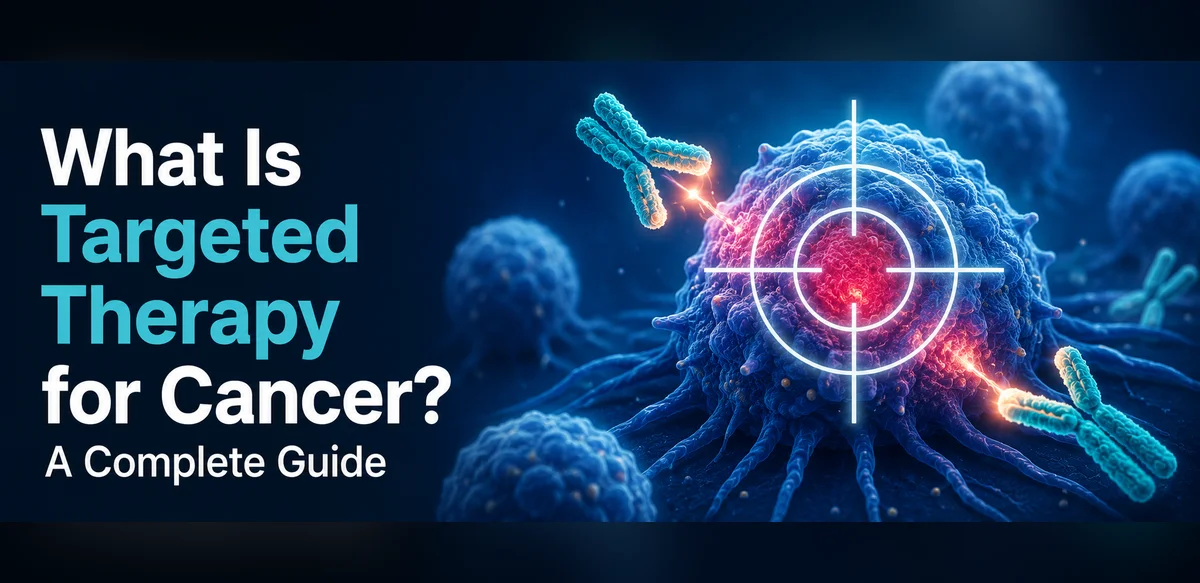
Targeted therapy disrupts key processes cancer cells require. Common methods include blocking growth signals, stopping new blood vessel formation, triggering cell death, delivering toxins directly to tumors, and aiding immune detection.
Several drug types exist. Small-molecule inhibitors enter cells to affect internal proteins and are often used for targets inside the cell, such as tyrosine kinase inhibitors like imatinib for certain leukemias.

