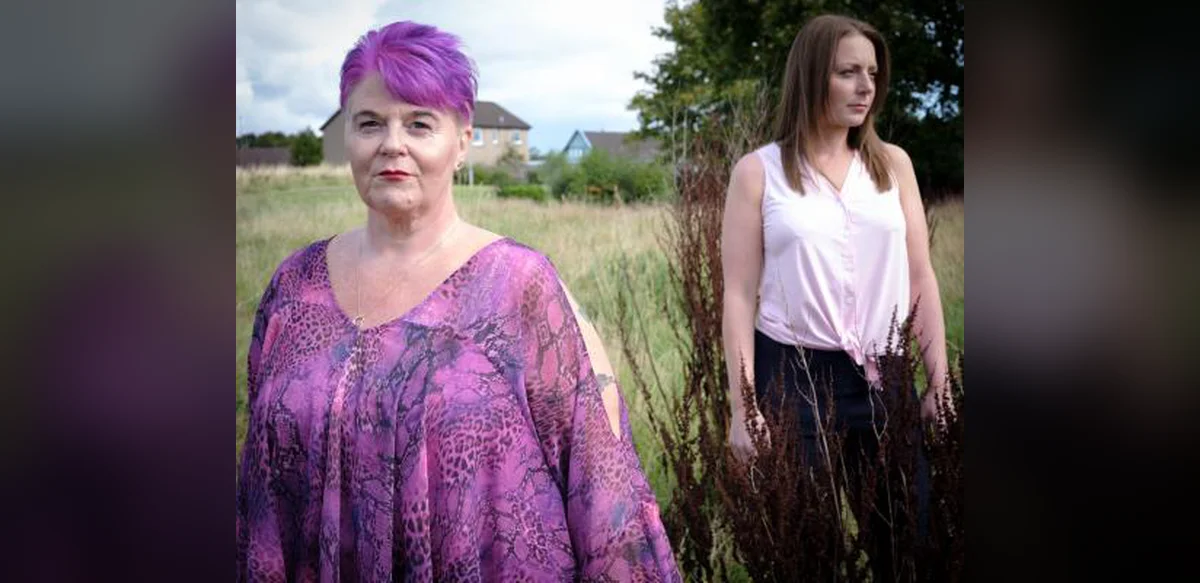
Laura Daly was six when she first sensed something amiss with her mother, Wendy Barker. Enraged after locking herself out, Barker repeatedly drove her car into the garage door while Laura remained inside. After several impacts the door bent enough for the child to crawl through and retrieve the keys. Barker, now 56, recalls the incident as one she could not control. Inside the Hampshire house the anger faded and she cried. She had previously concealed such outbursts from her children, but this time they surfaced. She often threw dishes and cutlery if her husband arrived home late. He stayed, he later explained, because he recognized the real person beneath the episodes and believed proper treatment would help. The search for that treatment lasted twenty years and ended with a diagnosis few physicians recognized. Barker still feels remorse that her children witnessed events they should not have seen. No one could account for the behavior at the time. She described herself as tightly wound until an outburst of shouting and tears released the tension, after which the cycle restarted with each menstrual period. She told her doctor the problem was not only depression. Symptoms disappeared for one week each month and returned for the next three. Physicians initially considered bipolar disorder, yet the precise timing she recorded pointed elsewhere. While watching a daytime television program on postnatal depression, Barker heard about Katharina Dalton, who had named premenstrual syndrome. Dalton diagnosed postnatal depression but also identified premenstrual dysphoric disorder. The condition received official recognition in 2013 in the main psychiatric manual and in 2019 by the World Health Organization. Barker was among the earliest women in Britain to receive the diagnosis in 2000. Symptoms encompass intense mood changes, irritability, profound depression, anxiety, exhaustion, and feelings of being overwhelmed. Research suggests the disorder affects as many as one in twenty women of reproductive age, although only 1.6 percent hold a confirmed diagnosis. One third of those diagnosed have attempted suicide. Many clinicians remain unfamiliar with it, leading to frequent misdiagnosis. Effects on mothers and children are still poorly understood, though a new British charity now supports affected families. Daly, now 37, recalls overhearing intense arguments before treatment began and feeling sadness at her mother’s distress. Barker acknowledges saying hurtful things she could not prevent, followed by a week of apologies before the pattern resumed. She bears self-harm scars from the worst periods, now covered by tattoos that include a line from Maya Angelou about rising again. Relief arrived when gynecologist John Studd prescribed estrogen implants, which eliminated the symptoms. The National Health Service declined to cover the treatment because the condition was classified as a syndrome rather than a disease. Barker paid privately, traveling from Edinburgh to London every six months at her own expense, once borrowing money from her daughter to afford an implant. Life with the treatment felt transformed.