


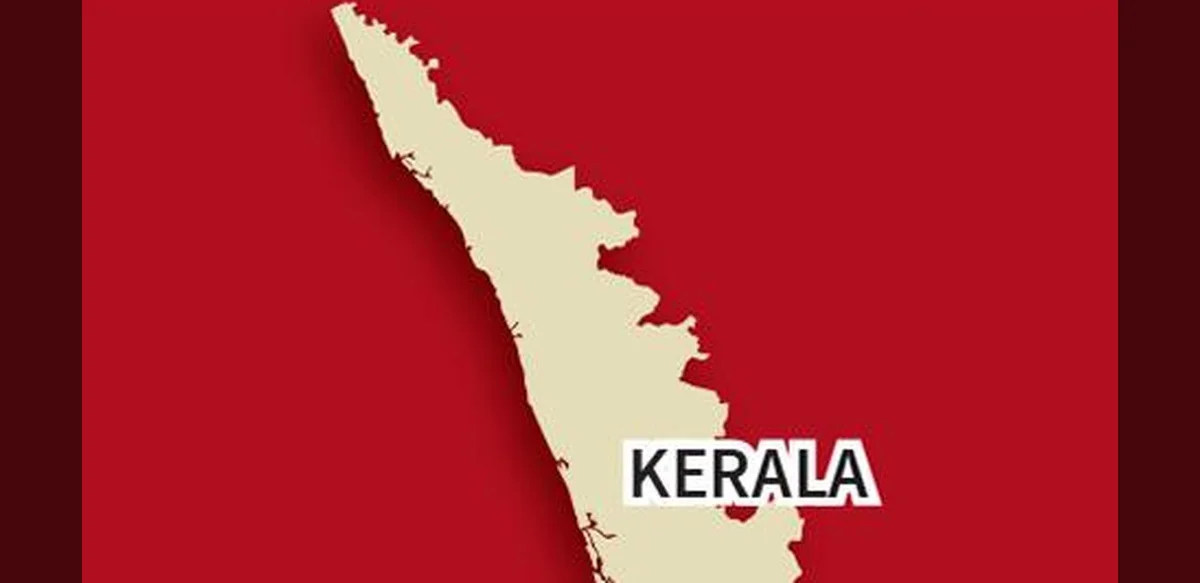
The United Democratic Front has backed the long-standing demand to bifurcate Malappuram district in Kerala. A district-level meeting on June 14, 2026, discussed the proposal and resolved to request appointment of a special officer to study its feasibility.
UDF district chairman K.P. Abdul Majeed said the split has become necessary because of uneven distribution of government resources. Malappuram has a population of about 500,000, nearly 14 percent of Kerala’s total, and includes 16 assembly constituencies spread across two Lok Sabha segments.
He noted that travel from one end of the district to the other can take nearly five hours and argued that division would improve access to services. The issue should be considered on grounds of fairness rather than communal or political factors, he added.
Several organisations, including the Welfare Party of India and Samastha Kerala Jamiyyathul Ulama, have previously sought reorganisation of districts to address resource imbalances.
The Indian Union Muslim League, the main UDF partner in the district, has adopted a cautious position, acknowledging the district’s size but questioning whether the present time is suitable for pursuing bifurcation.
The Bharatiya Janata Party and affiliated groups have opposed the proposal. Separately, Tirur Subcollector Dilip K. Kainikkara included the bifurcation in a list of suggested reforms, arguing that smaller districts would raise administrative efficiency and public convenience.

