


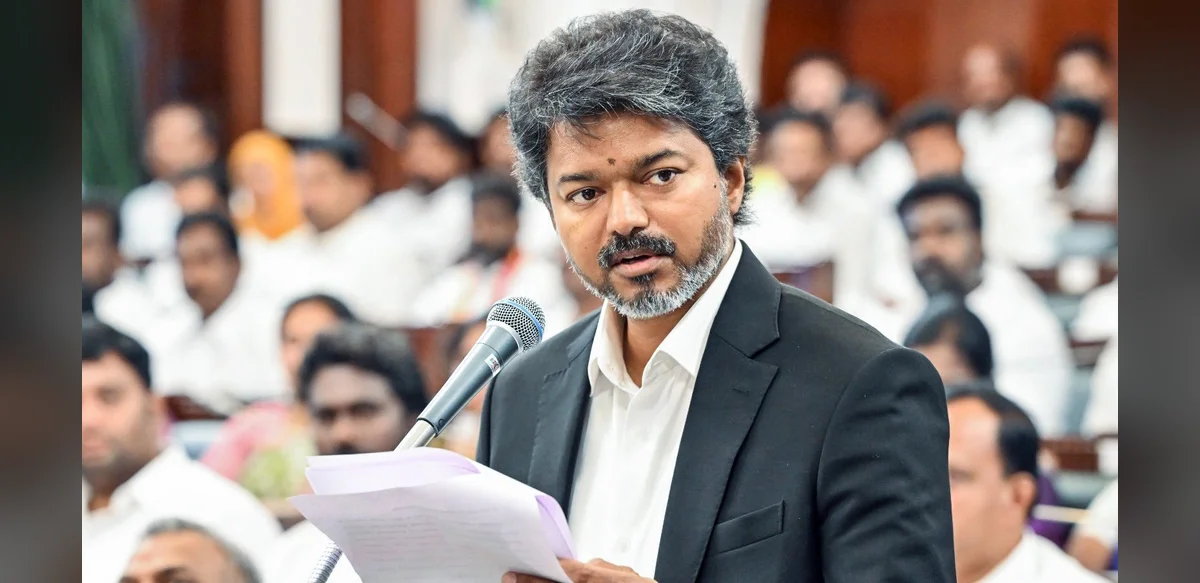
For decades, Tamil Nadu alliance politics followed a basic pattern in which smaller parties provided votes, workers, caste calculations and ideological support while the two main Dravidian parties retained nearly all positions of authority. The system persisted because it appeared stable over time.
In the 2026 Assembly elections, the TVK led by C Joseph Vijay secured a surprising victory in its first contest. Shortly afterward, the previous coalition structure began to break apart rapidly and without much hesitation.
On Thursday, the Indian Union Muslim League stated that its MLA A Shahjahan would enter the Vijay Cabinet. The Congress joined the administration after 59 years. The Viduthalai Chiruthaigal Katchi also entered the ministry on Friday through its MLA Vanni Arasu. The CPI and CPI(M) offered external support.
The election result stands out because Vijay established Tamil Nadu’s first post-poll coalition government in the Dravidian period, leaving both the DMK and the AIADMK suddenly sidelined in a framework they once dominated.
Dravidian parties face isolation
The quick departure of former partners raises a basic question about why they left so readily. One explanation is straightforward. Over nearly six decades, neither the DMK nor the AIADMK developed a practice of genuine power distribution.
Allies campaigned, delivered votes and supported coalition governments while absorbing policy differences. Yet cabinet posts, administrative control and sustained political advancement stayed concentrated with the two major parties. Partners often operated as temporary occupants in another group’s structure. Many now appear ready to align with a new leadership rather than remain tied to the previous arrangement.
Some Congress figures spoke openly on the matter. The All India Congress Committee’s Tamil Nadu in-charge Girish Chodankar described the decision to join the Vijay Cabinet as a significant shift after decades of effort without reward. Congress MP Manickam Tagore noted that Tamil Nadu was the only state where the party supported others’ wins yet remained outside government afterward.
Tagore highlighted the accumulated frustration among long-term allies. The DMK’s current position therefore reflects both electoral and relational setbacks.
Weeks earlier, several parties had contested under the DMK-led Secular Progressive Alliance and relied on its campaign resources. Within days of the results, some shifted to back the Vijay government. The rapid change surprised many within the DMK.
This situation worsened after reports emerged that sections of both the DMK and the AIADMK had considered a post-poll deal to block Vijay from office. Public statements and leaks confirmed the discussions, though the plan did not succeed.
For the DMK, which had long presented the AIADMK as aligned with the BJP, the reported contacts with its rival affected its ideological standing. For former chief minister M K Stalin, who faced defeat in his constituency, even considering such a move showed the extent of internal pressure.
Setback for AIADMK
The outcome proved more damaging for the AIADMK, which is now divided.
One group led by Edappadi K Palaniswami maintains it upheld party principles against the Vijay government. A rival faction including former ministers S P Velumani and C Ve Shanmugham claimed Palaniswami first explored a DMK-backed arrangement before reversing course.
The rebels supported Vijay in the trust vote and sought cabinet positions, yet Vijay instead formed a coalition with the Congress, IUML and VCK to reinforce a secular profile and limit indirect BJP influence. The CPI(M) warned it would review its support if rebel MLAs joined the government. The VCK also requested guarantees. TVK ultimately declined to include the rebels.

