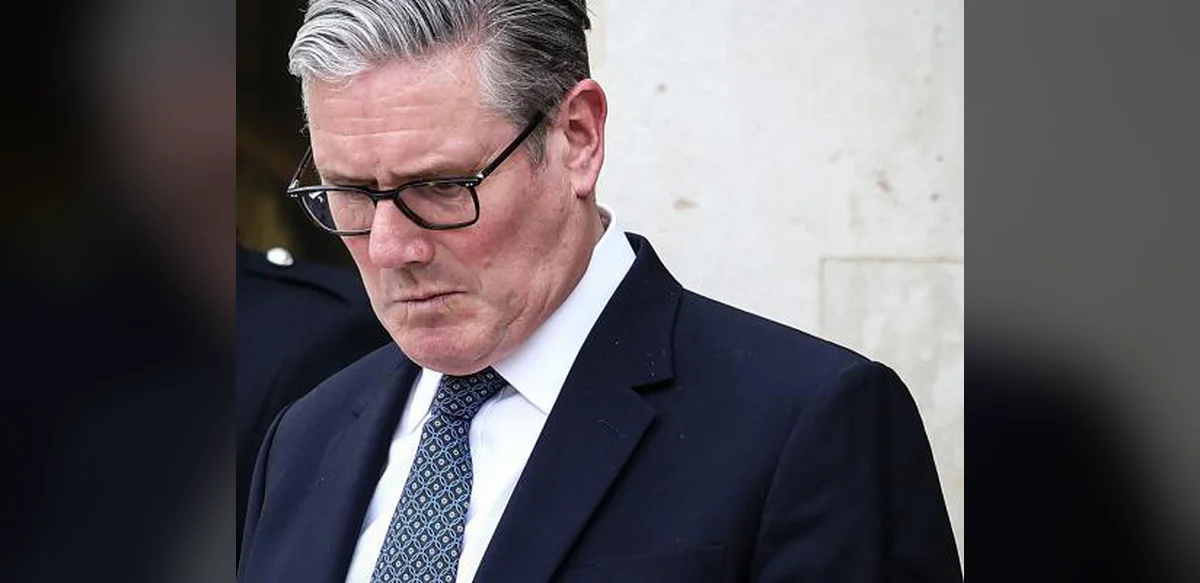
The coming two days are pivotal for Keir Starmer’s challenged leadership as he deals with persistent demands for his resignation linked to naming Peter Mandelson as ambassador to the United States. On Monday, Starmer is set to address the House of Commons regarding a report from the Guardian that Mandelson received the position even after security experts rejected his vetting. The following day, Olly Robbins, the senior Foreign Office official dismissed by Starmer last Thursday and now being held responsible for the controversy, will present his perspective. Below are the main issues Starmer needs to address. To what extent was Starmer informed about security concerns with his choice for U.S. ambassador? Selecting Peter Mandelson for the ambassadorship carried known risks. Mandelson, often called the ‘prince of darkness,’ had resigned from Labour government positions twice before. His associations with convicted sex offender Jeffrey Epstein were widely known, as were his firm’s connections to China through Global Counsel. Fundamentally, why did Starmer choose him? The ongoing situation at Downing Street arises from the Guardian’s disclosure that United Kingdom Security Vetting (UKSV) recommended denying Mandelson ‘developed vetting’ status in late January 2025, but the Foreign Office overrode this to allow his appointment. Starmer described the failure to inform him as ‘unforgivable’ and ‘staggering.’ However, did the prime minister know of any complications in the vetting? Reports indicate possible safeguards were implemented prior to Mandelson starting. Notably, UKSV did not suggest any risk mitigations, simply denying clearance. Yet, if the Foreign Office imposed restrictions to address risks when approving him, was Starmer notified? If informed of problems, why didn’t he pursue further details? Were there problems with Mandelson’s STRAP security level, and did Starmer know about them? Shortly after the Foreign Office approved Mandelson’s ‘developed vetting’ against expert advice, they informed him that the Washington position demanded an elevated clearance known as DV+STRAP. This STRAP access is essential for handling materials more sensitive than top secret, like certain intelligence files, often marked on pink paper. It remains uncertain if Mandelson obtained this clearance, though it’s difficult to imagine fulfilling the role without it. Did he secure this advanced approval? If yes, how, considering the prior denial by UKSV? And if mitigations were applied that restricted his access to specific information or policy areas, how was Starmer unaware? Has Starmer reviewed the UKSV report detailing Mandelson’s vetting denial, and if so, will he disclose the rationale? Associates of Robbins argue he was legally bound not to reveal details from the thorough vetting procedure. Former high-ranking official Ciaran Martin noted that there’s not only no requirement to share vetting specifics but an obligation to keep them confidential. Simon McDonald, ex-permanent secretary at the Foreign Office, described vetting as a private matter under the Constitutional Reform and Governance Act 2010. Government guidelines indicate the process involves questionnaires and discussions on sensitive personal matters, such as finances, professional ties, and intimate history. Starmer will likely face questions on whether he has accessed the complete reasons for Mandelson’s vetting failure. If he has the information, what details will he share with parliament about why Mandelson was viewed as a security concern? Has the full UKSV report been shared with every member of the intelligence and security committee? In February, a Commons vote via humble address compelled the government to release all related documents on Mandelson’s appointment publicly. The motion specified that sensitive materials affecting national security or foreign affairs should go to the parliamentary intelligence and security committee. Sources report officials debated whether to provide the vetting files to this group. Starmer will need to clarify why there was consideration to withhold them, contrary to the motion. Has the committee received the documents now? If not, when? And does the prime minister believe the public should learn the contents?