


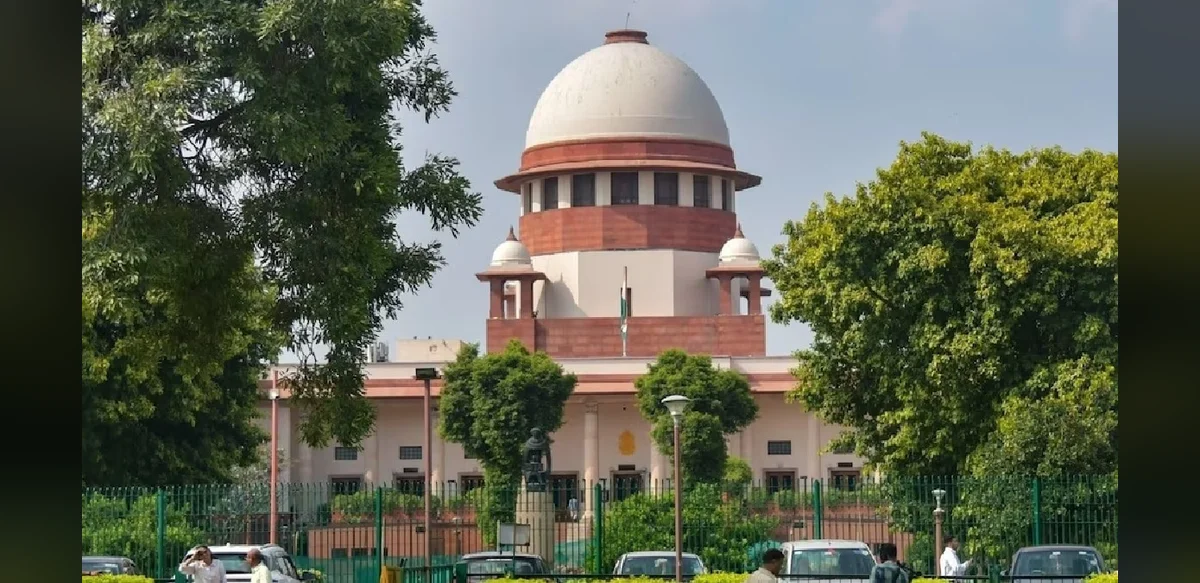
The Supreme Court has issued draft rules on the use of artificial intelligence in judicial proceedings. The guidelines state that AI may support court operations but cannot replace human judgment in any decision. No ruling, order or factual determination may rely exclusively on AI-generated material.
Prepared by the Supreme Court’s Artificial Intelligence Committee, the draft is open for public comments until June 20. Once finalised, the rules would cover the Supreme Court, High Courts, tribunals and statutory bodies with adjudicatory roles throughout India.
The framework aims to integrate useful technology while protecting judicial independence, following instances where lawyers submitted AI-produced references that included fabricated case law.
Permitted applications include case management, detection of filing errors, preparation of cause lists, hearing schedules, legal research, citation checks, document summaries, transcription and translation of judgments into regional languages.
Adjudicatory tasks remain off-limits. AI cannot decide case outcomes, propose sentences, evaluate witness reliability or resolve questions of fact and law. A “Human-in-the-Loop” requirement ensures judges retain sole authority over final rulings.
Core principles listed are human primacy, transparency, accountability, data protection and judicial independence. The draft bars the use of personal data for training AI systems without proper consent and legal compliance.
Oversight would involve a three-tier structure: a permanent national regulatory body led by a Supreme Court judge, AI committees at each High Court, and a Centre of Research and Excellence on Artificial Intelligence.
All approved AI tools would face yearly audits. The judiciary expects the measures to reduce case backlogs and raise efficiency without allowing technology to substitute for judicial reasoning.

