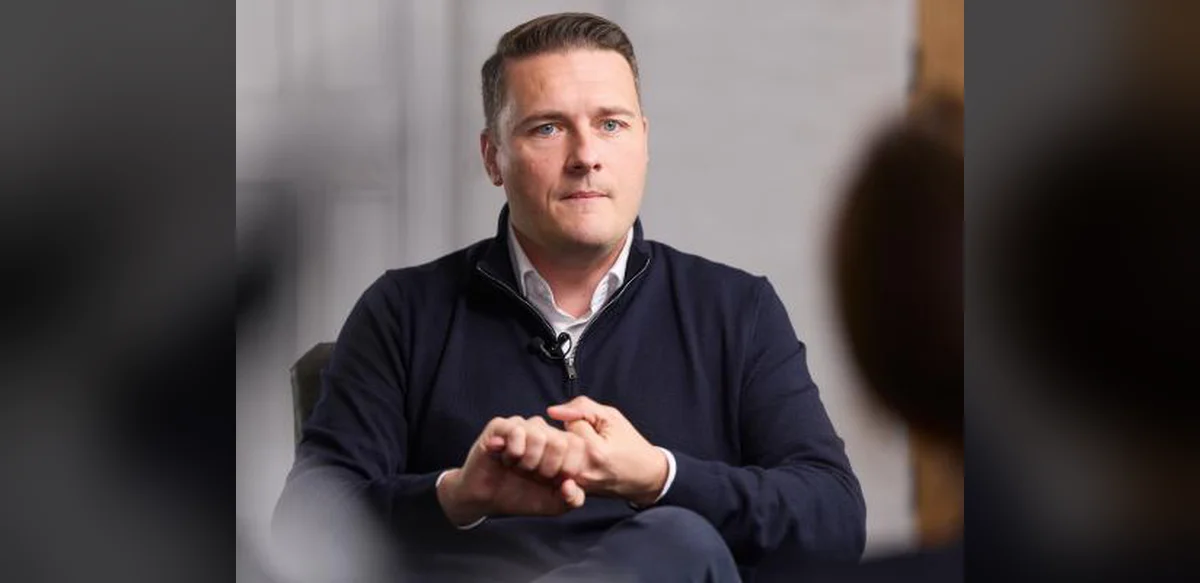
In his Today interview, Wes Streeting emphasized that responsibility for weak social media oversight lies with both governments and the companies themselves. Markets foster innovation and useful new tools that have improved many lives, he noted. Yet markets lack inherent morals or values. Government and the state must therefore set rules that serve society overall. Too often, he argued, Big Tech has pursued rapid profits without regard for wider effects. Companies have a duty to consider harm, while governments must protect children and young people. Streeting sits on the right of the Labour party. In any leadership race this could limit support among members who lean centre-left. Attacking technology firms allows him to appear somewhat more progressive on the issue. The main driver for his comments is almost certainly his genuine view rather than political calculation. The government has been consulting on whether to copy Australia by banning social media for under-16s or to choose other limits. The consultation closes at 11.59pm tonight. Keir Starmer is expected to reveal the official response shortly after. He has already indicated some action will follow. Last year ministers were doubtful about the Australian approach, but opinion inside government and across society has shifted rapidly. This morning former health secretary Wes Streeting, effectively running a leadership campaign, intervened. He told the Guardian that an under-16s ban “must be the start, not the end” and likened the sector to tobacco. On the Today programme he went further, claiming he had pushed inside cabinet for stronger measures without success and accusing Starmer of being “behind the curve”. Streeting repeated the tobacco comparison, saying social media executives had suppressed evidence of harm much as tobacco leaders once did. He described whistleblower accounts showing designers knew their products were addictive and aimed at young users. Evidence is growing, he said, about effects on sleep, concentration, learning, health and mental wellbeing. The precautionary principle should apply. Governments worldwide had been “asleep at the wheel”, he claimed. While not strongly critical of the prime minister, Streeting made clear he believed faster action was possible. He spoke out now because he was free from collective responsibility and was repeating arguments he had made in cabinet committees. The government is moving toward a better position, he said, but Starmer could have acted sooner.