


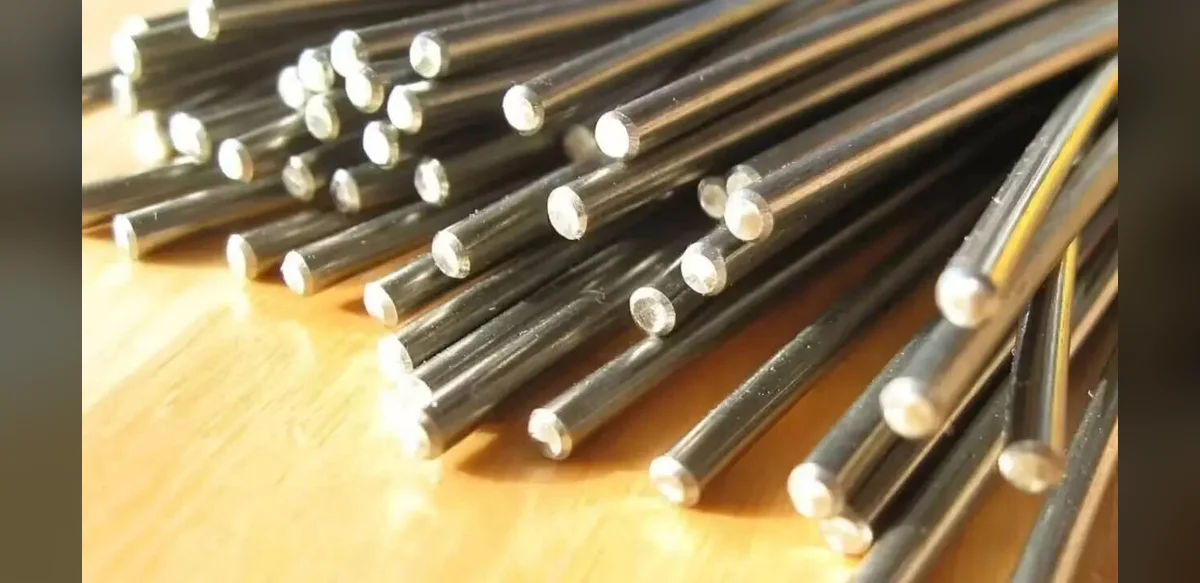
A peculiar metal developed in 1959 that can bend, twist and recover its original form may eventually alter methods for recovering waste heat and producing electricity.
Factories, data centers and power stations typically view excess heat as waste rather than an asset. It escapes through exhausts, raises ambient temperatures and dissipates unused. Engineers are now examining whether a shape-memory alloy could capture some of that energy.
The concept relies on a wire that flexes and resets with temperature changes rather than turbines or photovoltaic cells. The alloy, commonly known as nitinol, was created in 1959 and has been examined for medical and engineering uses for years. Its application to power generation remains early but is drawing increased attention.
Berkeley Lab reports that the nickel-titanium material withstands greater deformation than steel or copper before returning to shape through temperature-driven shifts in its crystal structure. Originally intended for specialized roles, it later appeared in medical devices because it tolerates repeated flexing without permanent harm.
Large volumes of low-grade heat are generated as a byproduct across industry, with estimates indicating a substantial share of global energy is lost this way. Conventional systems struggle to reuse such moderate temperatures. The alloy contracts and expands during thermal cycles, potentially turning motion into mechanical energy and then electricity. Scaling and conversion efficiency remain key hurdles.
Limitations include the need for stable temperature swings, uncertain long-term durability under repeated cycling and conversion losses. Specialists note the approach would likely supplement rather than replace established sources such as wind, solar and nuclear power.

