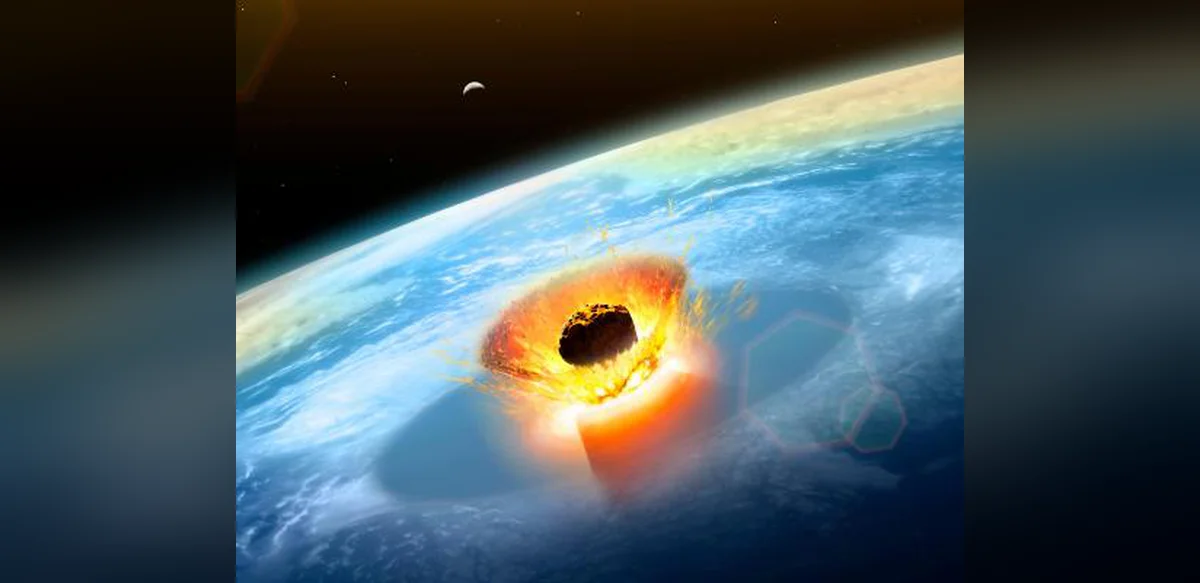
Experts have described what it may have been like to experience the meteorite impact that ended the dinosaur era 66 million years ago. Michael Benton of the University of Bristol and Monica Grady of the Open University outline the sequence in detail. A bright new star would have appeared about a week before the strike. Near the impact zone, living creatures would have seen a fireball, heard crackling and a sonic boom, then been incinerated at once. Five minutes later, 100-metre tsunamis would have swept the Gulf of Mexico. Heat, earthquakes, storms and fires would have destroyed all life within roughly 2,000 kilometres. Animals elsewhere stayed unaware at first. Within an hour dust spread worldwide and skies darkened. Global temperatures fell, dropping 5C by week’s end. A severe winter lasted more than a decade and removed about 75 percent of species. Early human ancestors survived, yet the authors note that ongoing carbon emissions risk a similar planetary crisis.