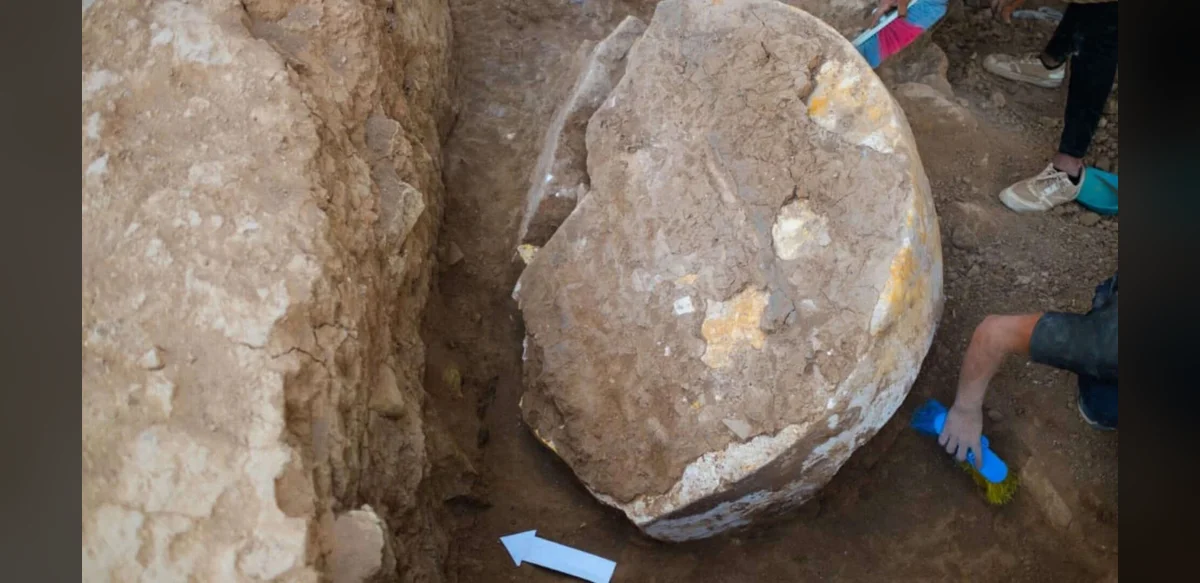
A fragment of an ancient stone monument from the time of Assyrian ruler Ashurbanipal was recovered in Iraq’s Nineveh region on July 17, 2026. The two-meter-high slab records royal construction efforts during the height of the Neo-Assyrian Empire from 668 to 627 BC. Researchers located the piece at the Shamash Gate while restoring structures harmed in fighting from 2016 to 2017. Both faces carry cuneiform script and royal images. Iraqi and American specialists moved the artifact to the Nineveh antiquities office for cleaning and study. Early translations describe wall expansions, temples, and palaces ordered by the king. The front shows a large portrait of Ashurbanipal; the reverse depicts two smaller royal figures with lengthy inscriptions. Local archaeologist Ruwaid Muwaffaq called the find a key addition to knowledge of Assyrian urban growth. Ashurbanipal is known for assembling a vast library in Nineveh that once held around 100,000 tablets, many of which survive today. The discovery at the gate carries added weight because militants had targeted the area between 2014 and 2017, damaging nearby Nimrud and several gates along Nineveh’s walls. Since 2017, authorities have partnered with foreign institutions to document losses and resume excavations. The University of Chicago’s Institute for the Study of Ancient Cultures helped fund the current project. Iraq’s antiquities board president noted that the stele underscores the region’s long historical record and supports ongoing cultural recovery efforts across the Nineveh plains.