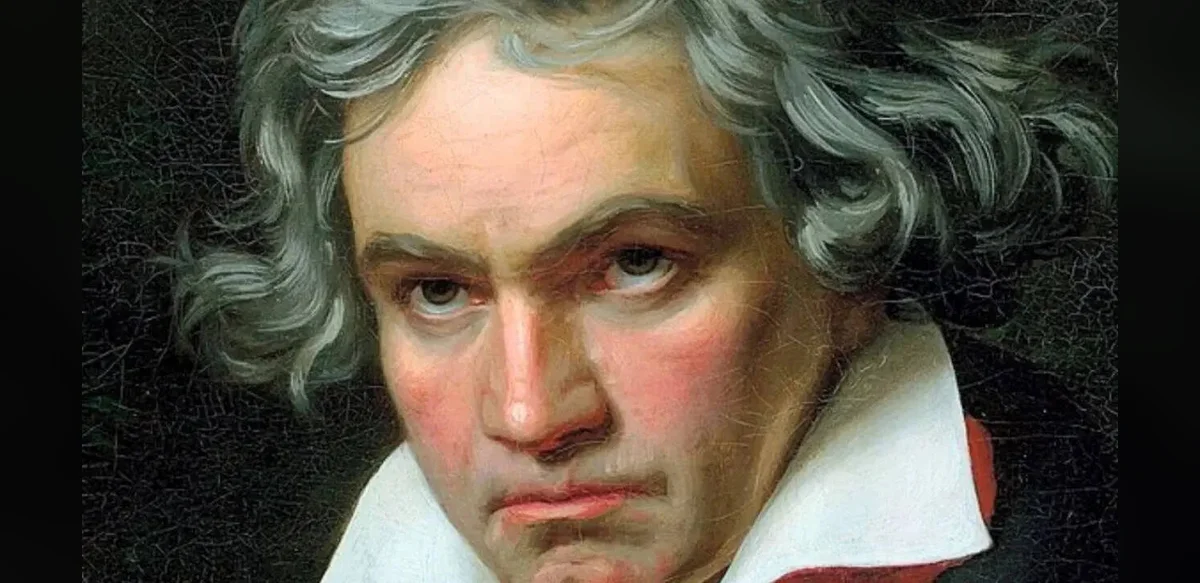
Beethoven faced ongoing health issues in his early years, with the reasons for his later deterioration remaining unclear for a long time. Genetic tests have now examined disputed hair samples once linked to the composer. Fresh findings indicate that liver failure was a major factor in his final period. The reason for his hearing loss is still unknown. Analysis also showed a mismatch in presumed family lineage. Beethoven passed away in Vienna during a storm in 1827 following extended illness that had already ended his public appearances. He spent months bedridden with swelling, jaundice and fatigue that limited basic movement. His hearing impairment had by then become widely known. He left behind not only compositions and correspondence but also tissue and hair fragments later studied with modern methods. Two centuries afterward these items underwent laboratory examination as biological material rather than historical objects. The outcomes did not simplify his medical history but instead added complexity and altered prior views on disease and ancestry. A report in Current Biology titled Genomic analyses of hair from Ludwig van Beethoven notes that accounts of his later life often emphasize lost hearing and withdrawn composition. Earlier records show digestive troubles in his twenties without clear cause. His doctor Johann Adam Schmidt offered no single diagnosis and treatments varied with changing symptoms. Preserved hair locks became key to recent work. One sample long considered authentic proved through sequencing to belong to an unrelated woman. This finding prompted review of other specimens. Reliable samples then pointed to a viral liver infection with hepatitis B as a likely contributor to decline along with possible genetic factors affecting resilience to illness and alcohol. The study offered probabilities rather than certainties and reduced support for earlier claims of lead poisoning as the main cause. Medical notes from his last months describe jaundice swelling and weakness consistent with liver failure though the full sequence remains incomplete. His progressive hearing loss beginning in his twenties still lacks a genetic explanation despite detailed testing. Symptoms started with ringing and sound sensitivity before advancing to broader impairment that ended his performing career by the mid-1840s. An additional result involved ancestry tracing through the Y chromosome.