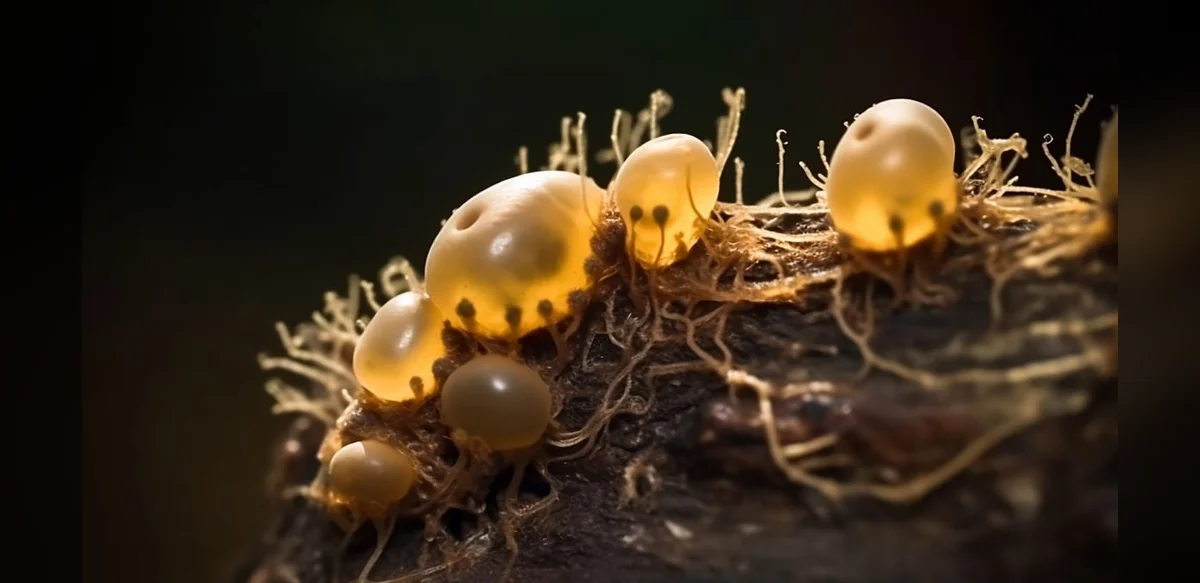
Following the massive Chicxulub asteroid strike about 66 million years ago, three-quarters of Earth’s plant and animal species vanished in a mass extinction. This event eliminated all non-avian dinosaurs. Yet fungi thrived amid the devastation. These organisms, capable of breaking down dead matter and tolerant of reduced sunlight and lower temperatures, expanded rapidly. Fossil evidence from rock layers in Colorado and North Dakota reveals a sharp rise in fungal activity right after the impact. Similar patterns appear in New Zealand deposits from the same era, suggesting the surge may have been worldwide. Researchers from Johns Hopkins University examined these ancient records and identified three distinct periods of fungal growth tied to the event. The rocks show a clear boundary layer rich in iridium, marking the impact time. In samples from the boundary, fungal spores made up half or more of the total spores present. This dominance lasted for thousands of years as plant life recovered slowly. An earlier fungal increase, linked to massive volcanic eruptions, occurred tens of thousands of years before the asteroid hit during a cooler climate phase. Fungi favor such cold and acidic conditions created by atmospheric dust from disasters. The spores found belong to extinct members of the Ascomycota group and likely acted as decomposers feeding on remains. Many contained protective melanin. Further study is required to classify them precisely among modern fungi types.