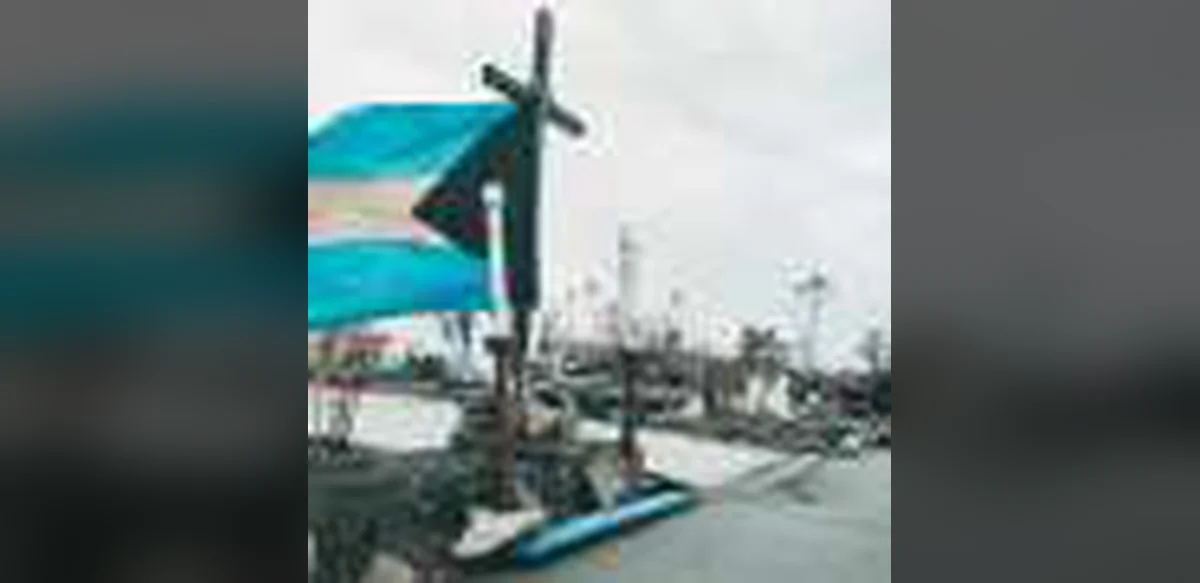
The study examined how Hurricane Dorian’s Category 5 impact on the Bahamas in September 2019 affected local journalists. The storm destroyed infrastructure across two islands, left thousands homeless or missing, and caused over 70 deaths. Bahamian reporter Kyle Walkine, who covered the event, noted its rapid intensification created unexpected challenges. Working with University of Miami professor Sallie Hughes, Walkine analyzed interviews with 11 journalists from the hardest-hit regions. Published in the journal Journalism, the research showed that many reporters adjusted their duties during the crisis, sometimes prioritizing rescues over stories. Participants described using social media to direct aid and later adopting more sensitive approaches to trauma coverage. The event also caused emotional strain, as journalists often reported on damage to their own communities. The findings highlight the need for better preparation and mental health resources for those covering disasters.