


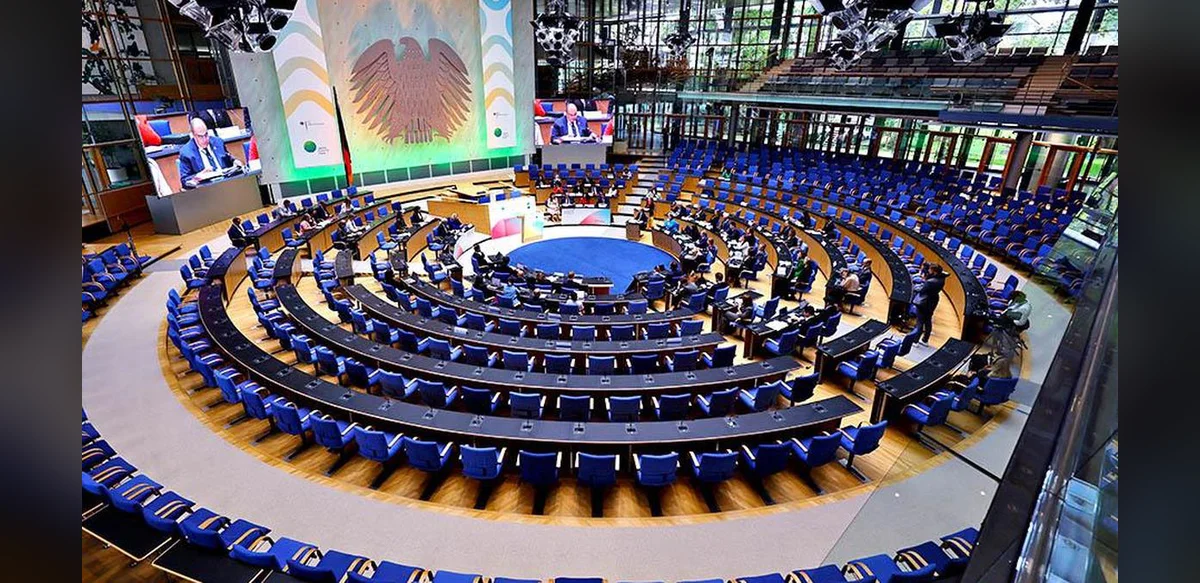
India has urged negotiators to directly address the declining availability of climate finance and the growing gap in adaptation funding during United Nations climate talks currently taking place in Bonn, Germany. The country called for dedicated time on the agenda to advance a Paris Agreement rule requiring developed nations to supply financial support to developing countries.
This position was outlined in India’s statement at the 64th session of the UNFCCC Subsidiary Bodies, presented by Harkeerat Randhawa from the Ministry of External Affairs. India aligned itself with statements from the Group of 77 and China, the Like-Minded Developing Countries, and the BASIC group.
The Bonn session, running from June 8 to 18, serves as the mid-year meeting of the two subsidiary bodies preparing draft decisions for the annual Conference of the Parties. It is the first major climate meeting since COP30 in Belém, Brazil, last November and aims to convert those results into formal text ahead of COP31, scheduled for Antalya, Turkey, in November.
India also requested that discussions on unilateral trade measures, including carbon border adjustments such as the EU’s CBAM, examine their negative impacts on developing nations’ climate efforts under Article 3.5 of the Convention. It stressed that the Mitigation Work Programme must stay facilitative and non-prescriptive, that the adaptation goal should remain balanced and driven by parties, and that no new obligations should be added beyond existing mandates.
Equity and historical responsibility should shape the process, India stated, noting that developing countries require carbon space to reduce poverty and improve energy access, while developed nations must lead with faster emissions reductions, including negative emissions where needed. It also called for the Just Transition Mechanism to be put into operation based on equity and common but differentiated responsibilities.
The current agenda centers on moving into an implementation phase, with key topics including the Global Goal on Adaptation, the Just Transition Work Programme, the Global Stocktake, climate finance, and the future of the Sharm el-Sheikh Mitigation Work Programme, set to end in 2026 with a possible extension under consideration.

