


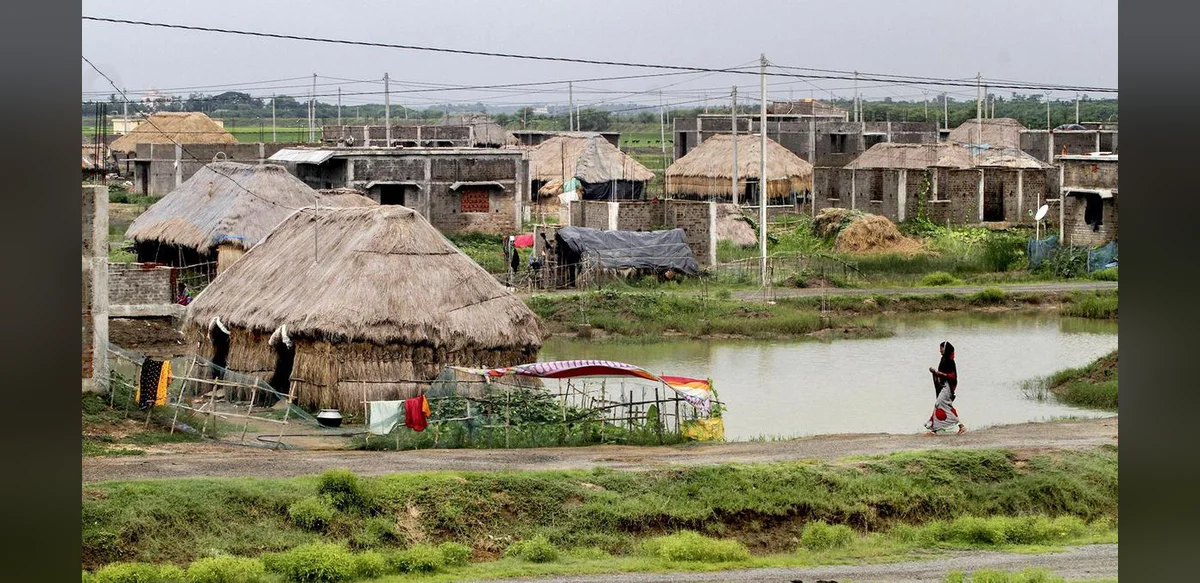
With over 7,500 km of coastline and millions residing in vulnerable low areas, India confronts a choice between building protective structures or relocating inland. While wealthier nations often prefer planned relocation from risky zones, South Asian governments have leaned toward seawalls. Experts suggest a balanced alternative approach.
At global climate meetings, Indian officials have noted that developing nations need more time to phase out fossil fuels to avoid harming vulnerable populations. A similar case applies to coastal protection, where engineering can provide temporary relief as a development necessity.
However, such measures risk inequity if used for luxury projects rather than broad public benefit. Engineering solutions must avoid increasing exposure in dangerous areas, as this could worsen future impacts from rising temperatures.
Examples include Nigeria’s land reclamation efforts that shift erosion risks to poorer zones and Vietnam’s dikes that accelerate delta subsidence by blocking sediment. In India, embankments along the Kosi river have raised riverbeds, leading to severe floods during monsoons.
The IPCC identifies managed retreat as a key adaptation option, involving coordinated relocation of people and assets. Programs in the US, UK, and New Zealand use buyouts and zoning to reduce risks, though these can face legal and social challenges.
India’s experience differs, with past relocations often leaving communities without support or skills. Cases in Odisha and the Sundarbans show displaced families shifting from landowners to low-wage workers.

