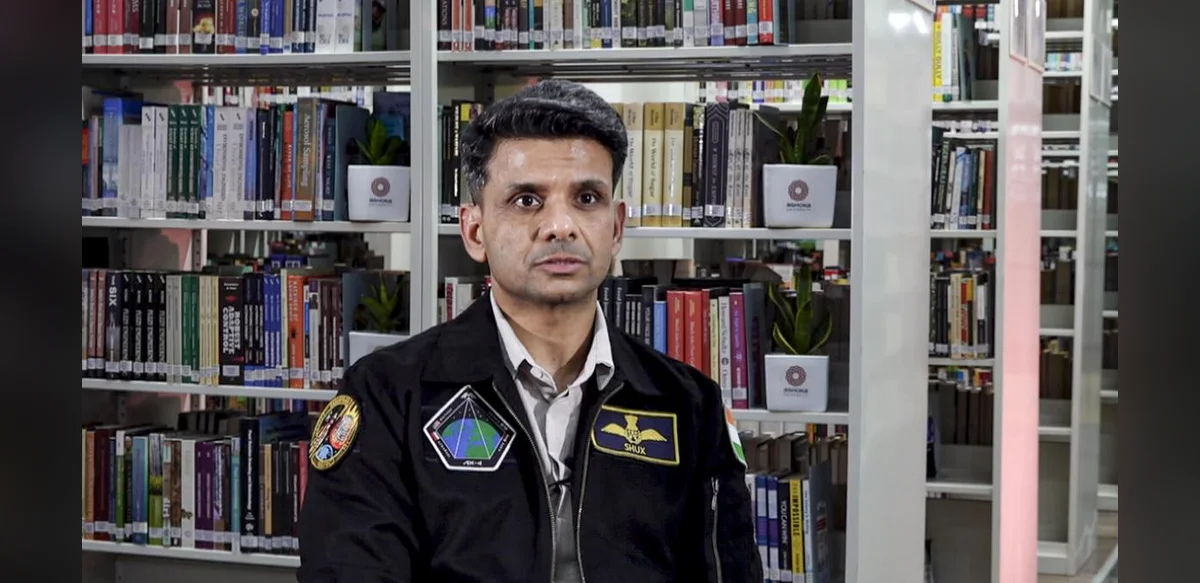
Group Captain Shubhanshu Shukla, who flew on the International Space Station last year, is now training in Bengaluru for India’s first crewed spaceflight. Drawing on his experience as an Indian Air Force test pilot, he applies the same approach of verifying safe performance limits to the Gaganyaan programme, described as a developmental mission. He noted growing international regard for the Indian space sector and said the shift to human spaceflight marks a major change. The mission, planned for mid-2027, will send three astronauts to a 400-kilometre orbit for three days before a return to Indian waters. If completed successfully, India would become the fourth nation after the United States, Russia and China to demonstrate independent human spaceflight capability. Shukla is helping refine the crew vehicle design and will begin mission-specific training once the configuration is finalised. Recent tests, including an integrated air-drop trial, aim to confirm system safety. He highlighted new technologies under development for crew protection and said the project could encourage other countries pursuing similar goals. While reflecting on his previous 18-day mission, he described daily routines aboard the station and the perspective gained from viewing Earth and the Moon.