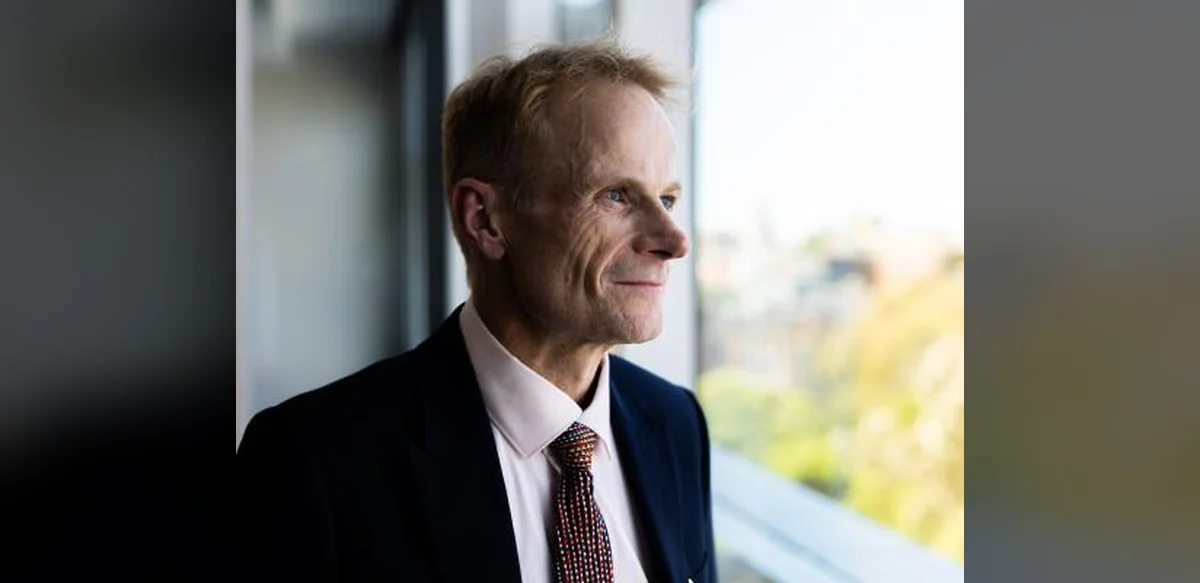
At the height of his professional success and physical fitness, leading melanoma researcher, pathologist and athlete Prof Richard Scolyer received a diagnosis of aggressive, incurable brain cancer. He chose to treat the condition as another chance to push medical boundaries by testing an innovative therapy on himself. Scolyer, who died at age 59, became the first subject in a new and uncertain trial following his May 2023 diagnosis of grade-four IDH-wildtype glioblastoma. With support from his colleague and Melanoma Institute Australia co-director Prof Georgina Long, he volunteered for an experimental regimen. Drawing on their prior success with immunotherapy for melanoma, the pair aimed to slow or possibly eliminate the brain tumour. While glioblastoma therapies had seen little progress in nearly twenty years, advanced melanoma survival rates had risen sharply from 5% to 55% over fifteen years thanks to immunotherapy advances. Long sought every option to help her colleague, and Scolyer agreed to proceed, aware that results might benefit future patients. The approach carried risks due to its untested nature and unknown side effects. He described the plan as bold and called his participation a straightforward choice. The goal was to tackle another hard-to-treat cancer and create progress, whether for himself or others. The protocol drew attention from specialists across Australia and internationally. Scolyer also shared updates on social media with thousands of followers, starting early mainly to document events for his children while highlighting the experiment’s importance and gaining widespread support. Initial steps combined three immunotherapy drugs to prime his immune system before surgery. Post-operative analysis revealed a tenfold rise in activated immune cells. Later care included a custom vaccine aimed at his specific tumour. His case appeared in Nature Medicine in early 2025. He noted the value of comparing tissue samples before and after immunotherapy, offering evidence that further study was warranted. Born in Launceston, Tasmania, on 16 December 1966, to teacher Jenny and auto electrician Maurice, Scolyer and his brother Mark enjoyed an encouraging upbringing focused on sports. From childhood he showed competitiveness through building projects, cycling and a paper route. At ten he completed a demanding 65km trek in Tasmania. He attended Riverside High School and Launceston Community College, where academics took second place to sport. He later improved reading skills using comics and sports magazines, as detailed in his 2024 biography. His mother’s health challenges, including strokes and psychiatric care, shaped his decision to pursue medicine, which he approached with resolve. After initial training at the University of Tasmania, he specialised in pathology in Canberra and at Royal Prince Alfred Hospital in Sydney. By 39 he was a clinical professor at the University of Sydney. In 2022 he ranked as the top melanoma pathologist globally and held the record for publications in the field. He received the Order of Australia in 2021 and shared Australian of the Year honours with Long in 2024. An avid triathlete, he represented Australia at world championships and continued training during treatment, once completing a run despite an undiagnosed fracture. He stayed stable for nearly two years, far beyond the typical six-month recurrence window, until announcing a change in March 2025.