


Mount Chimborazo is farther from Earth’s center than Everest
Why Everest retains its primary distinction
Earth’s shape explains the difference
Another mountain enters the discussion
A record that alters perceptions of the planet
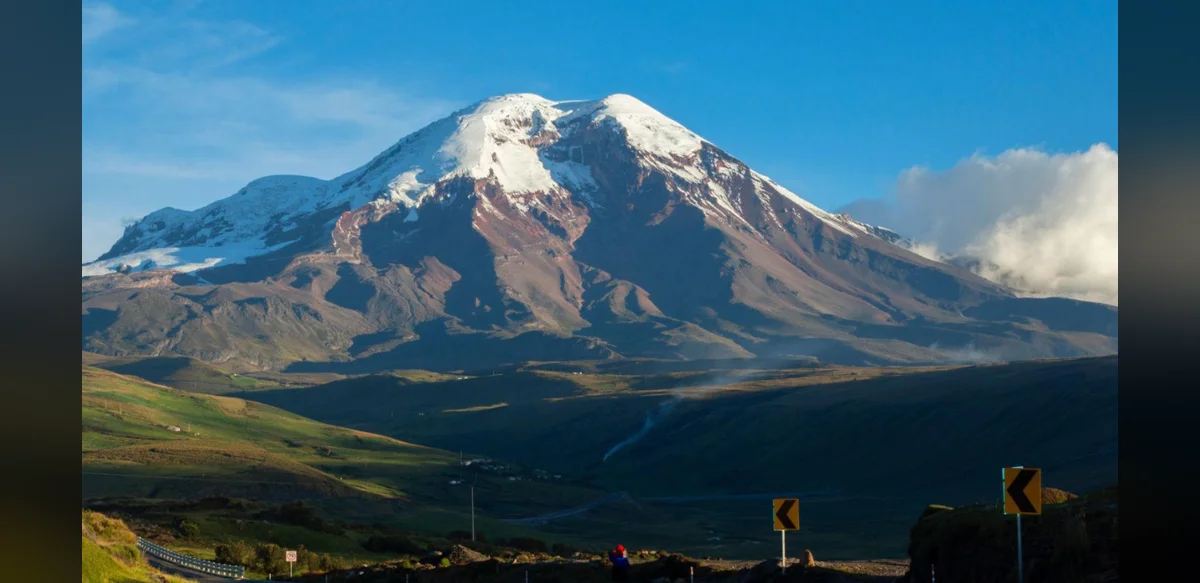
Most people name Mount Everest when asked for Earth’s highest point. Rising 8,848 metres in the Himalayas, it is widely recognised as the tallest mountain. Yet another peak claims a different distinction. Located in Ecuador’s Andes, Mount Chimborazo reaches only 6,263 metres above sea level. Its summit nevertheless lies farther from the planet’s centre than any other surface location.
The cause stems from Earth’s form. The planet is not a perfect sphere but bulges at the equator and flattens at the poles. Chimborazo sits near the equator, where this bulge places the ground already farther from the centre. Calculations show its peak is roughly 2,072 metres farther from the core than Everest’s summit.
Everest keeps its best-known title as the highest mountain measured from sea level. That standard remains the global reference for elevation. Climbers and geographers continue to regard its summit as the highest point by this measure.
The distinction rests on the method of measurement. One uses height above sea level. The other uses distance from the planet’s centre. Chimborazo benefits from the equatorial bulge, while Everest stands taller from the sea-level baseline.
A third contender appears when base-to-peak height is considered. Hawaii’s Mauna Kea rises more than 10,210 metres from the ocean floor, exceeding Everest by that metric. Thus three mountains each hold a version of the highest-mountain record depending on the definition applied.
The case of Chimborazo illustrates how Earth’s irregular shape affects such comparisons. The answer changes according to the chosen reference point.

