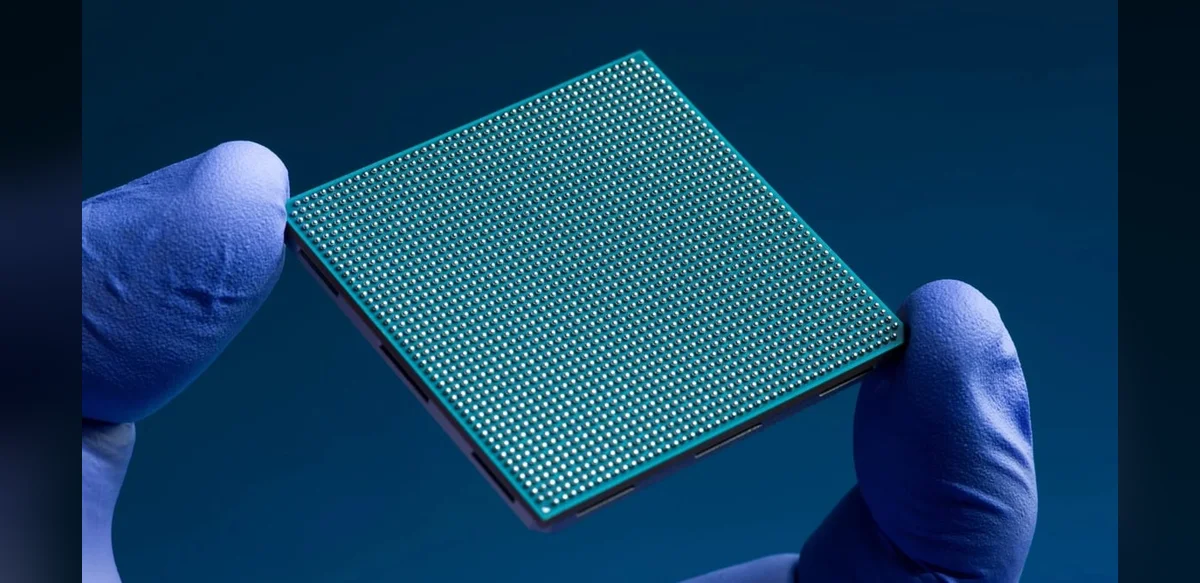
As missions venture deeper into space, spacecraft require greater independence from Earth-based control due to increasing distances and resulting communication lags that hinder quick data exchange. Autonomous capabilities can also speed up scientific discoveries by enabling rapid onboard analysis. Components must endure severe conditions like temperature extremes and radiation exposure. NASA’s Game Changing Development program partnered with industry to create the High Performance Spaceflight Computing system. This new processor recently finished initial environmental evaluations and aims to provide spacecraft with independent decision-making power. Past NASA hardware relied on older designs valued for durability, yet rising data volumes from missions demand faster processing. Working with Microchip Technology Inc., the agency developed a radiation-resistant chip offering up to 100 times the performance of existing units. The device functions as a system-on-a-chip, combining processors, memory, networking, and interfaces in one unit suited for long-duration operation far from repair facilities. It supports fault tolerance, adaptability, and high output while enabling AI-style data handling and adjustable power use to conserve energy. Engineers at the Jet Propulsion Laboratory are running radiation, temperature, and impact assessments plus functional checks using authentic landing simulations. Early results indicate performance gains reaching 500 times current levels. Upon certification, the technology will support future orbiters, landers, habitats, and distant expeditions.