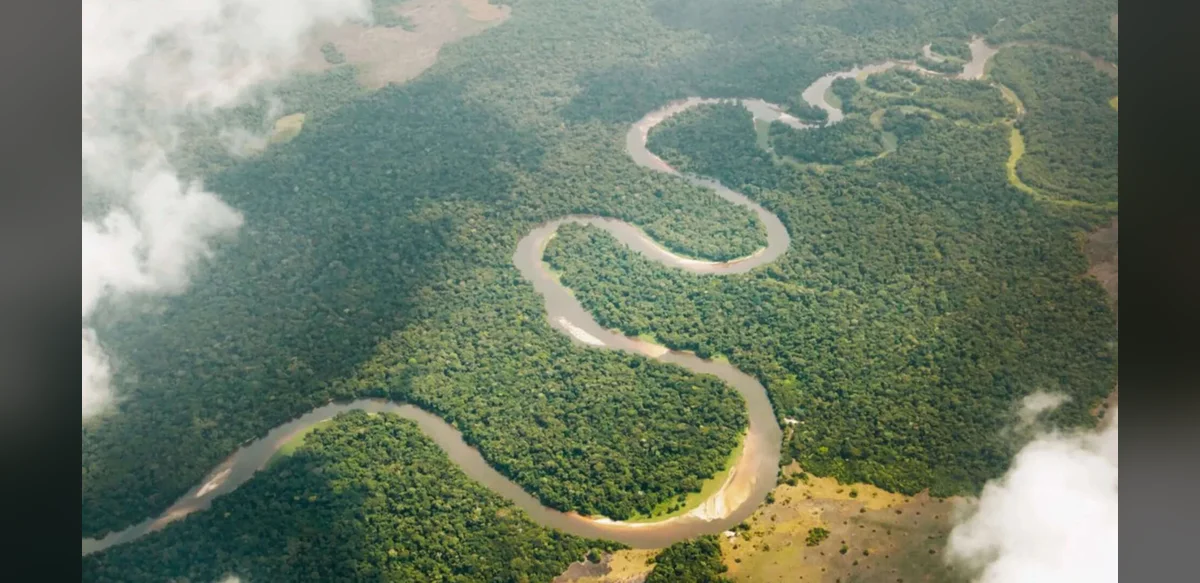
The Congo River discharges roughly 40,000 cubic metres of freshwater into the Atlantic each second, ranking second globally by volume. A recent investigation used computer simulations, satellite readings and ship data to follow this water after it leaves the African coast. The study revealed that large rotating ocean currents trap portions of the low-salinity plume and transport it far offshore. The plume extends up to 800 kilometres from the river mouth and varies seasonally, reaching maximum size around March before contracting in July and August. During the high-discharge period from January to April, winds and currents push the plume southwest, where mesoscale eddies play a key role. These eddies, hundreds of kilometres wide, can persist for weeks and enclose freshwater within their cores. Focusing on 2016, researchers applied a high-resolution ocean model covering the Gulf of Guinea together with observations from satellites, moorings and ship traffic. The simulation accurately reproduced plume location and movement. In March and April a large anticyclonic eddy formed, lasting 49 days and attaining a 150-kilometre radius. It captured freshwater and carried it roughly 200 kilometres offshore. Backward particle tracking of more than 5,000 virtual tracers confirmed the water originated from the southern plume region. Such episodic eddy transport affects ocean mixing, nutrient distribution, marine life and climate patterns across the tropical Atlantic.