


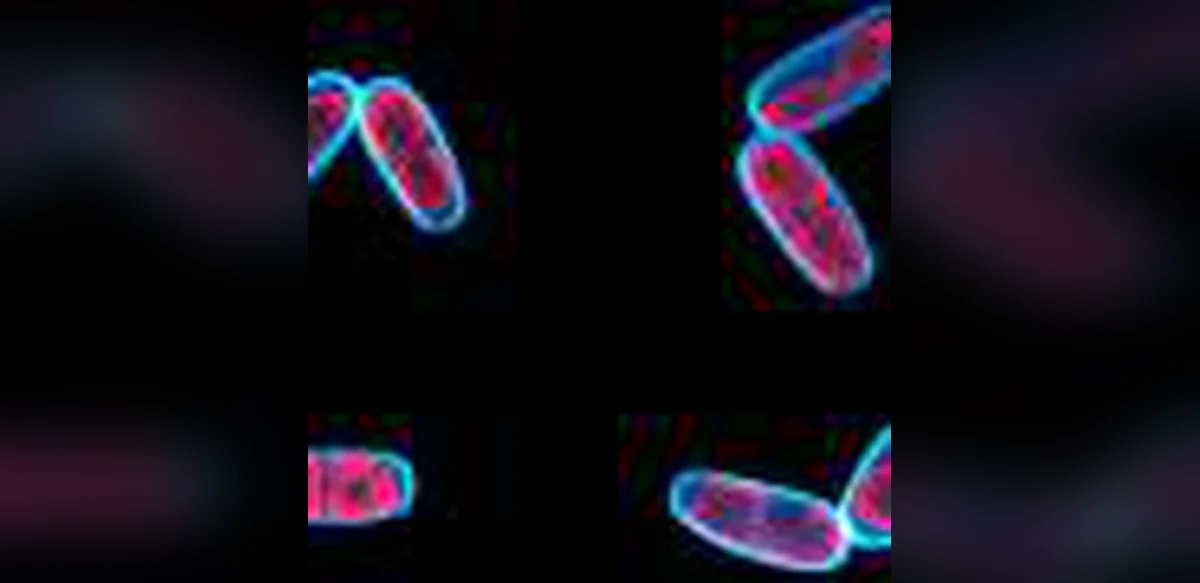
A recent investigation reveals how ancestors of today’s land plants managed harmful ultraviolet radiation when moving from water to land. Researchers examined Mesotaenium endlicherianum, a single-celled green alga related to the earliest terrestrial plants, and identified a complex, responsive system for handling sun damage that probably supported colonization over 500 million years ago. Findings appear in Current Biology.
Early plants encountered multiple new pressures on land, such as drying conditions, temperature swings and strong sunlight. UV rays in particular threatened to harm DNA, proteins and cell components. The team focused on this alga because its evolutionary ties offer insight into traits that may have allowed survival on land.
When exposed to UV-B in experiments, the cells quickly adjusted. Photosynthetic output fell within an hour, while internal structures formed new compartments and repositioned chloroplasts. These shifts appear to limit light uptake and isolate damaging substances.
Genetic analysis showed activation of numerous stress-related genes shared with modern land plants. These included sensors for UV, signal pathways, DNA repair tools and controls for photosynthesis under strain. Kinase networks and hormone-like signals also responded. Chemically, the algae generated phenolic compounds that function as sunscreens and antioxidants, plus several unknown derivatives pointing to distinct metabolic routes.
The work outlines a broad model of UV responses that likely existed before land transition and supported later terrestrial life. Such mechanisms may also guide efforts to strengthen crops against rising environmental pressures.

