


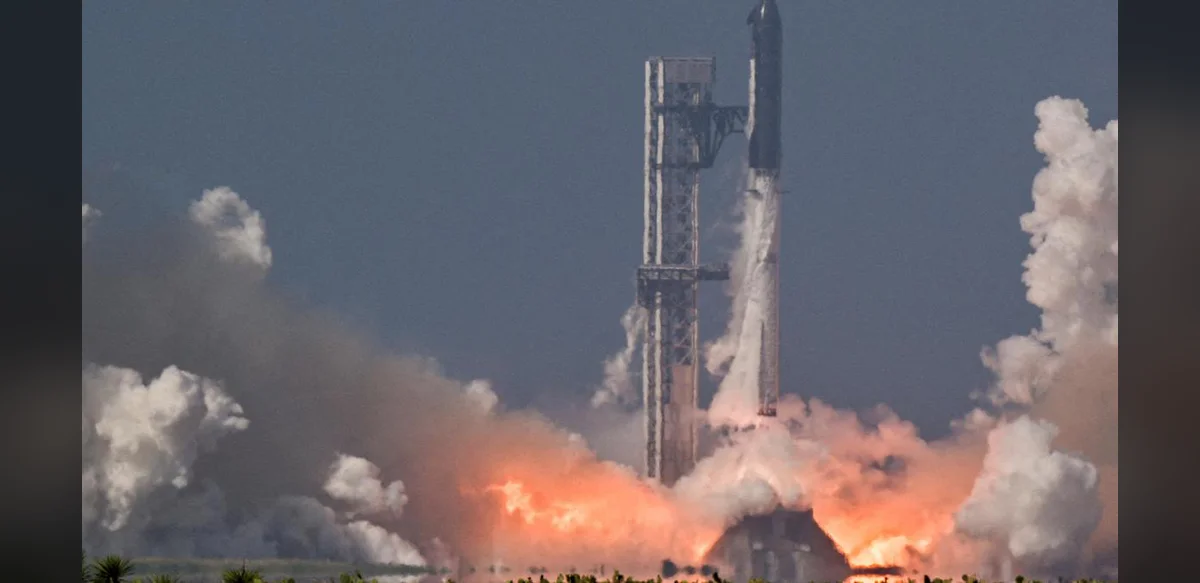
SpaceX has filed for an initial public offering scheduled for June 12 on Nasdaq under the ticker SPCX. The offering is projected to be the largest in history, with the company aiming to raise $75 billion at a valuation between $1.75 trillion and $2 trillion.
The proceeds are intended to finance the Orbital Data Centre project and expand the company’s artificial intelligence operations on the ground. The filing also requires that IPO funds repay a $20 billion bridge loan within six months.
Analysts have noted the company’s structure, in which revenue from the Starlink satellite internet service offsets losses at its AI division, reported at nearly $6.4 billion for 2025. Starlink faces regulatory proposals from the European Commission that would restrict non-European satellite operators to one-third of regional bandwidth. Additional spectrum constraints from growing direct-to-cell services may further limit capacity.
Pre-IPO contracts with Google and Anthropic are expected to provide interim revenue. However, Morningstar analysts have assessed fair value at $780 billion, citing concerns over growth assumptions.
In March, SpaceX obtained the $20 billion bridge loan arranged by Goldman Sachs. The funds retired $17.5 billion in high-interest debt held by X and xAI. The S-1 filing states that a portion of IPO proceeds must repay this loan within six months.
In February 2026, SpaceX merged with xAI, incorporating the social platform X and the Grok model. The $250 billion transaction price was set through internal processes rather than market valuation. The merger places xAI’s operating losses within Starlink’s revenue streams.
The targeted valuation assumes SpaceX will supply computing infrastructure for AI. Plans include a semiconductor facility in Grimes County, Texas, costing between $55 billion and $119 billion to produce one terawatt of annual computing capacity for custom chips.
The company also proposes an Orbital Data Centre constellation of one million satellites equipped with computing accelerators. The concept relies on continuous solar power and reduced land-use restrictions. Insurance costs and regulatory requirements for orbital debris remain significant factors.
SpaceX has also entered a $30 billion agreement with Google extending through 2029, under which Google will pay approximately $920 million monthly for access to AI chip capacity before the IPO.

