


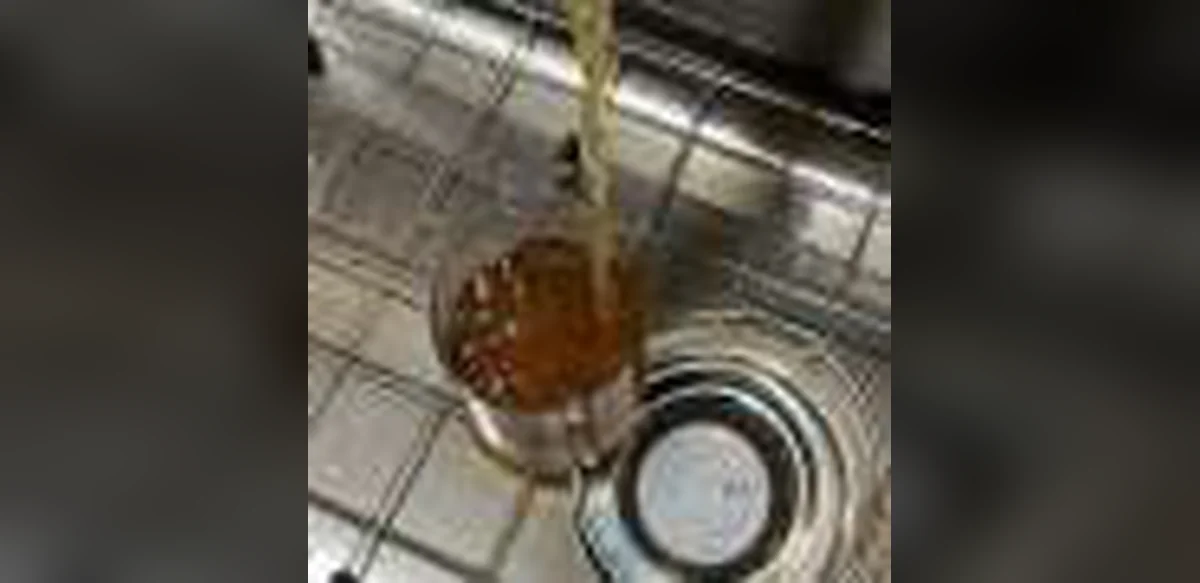
Residents of Austin’s Colony, an unincorporated southeast Austin area outside city water services, have reported discolored and hard tap water for over ten years. A PLOS Water study by University of Texas at Austin researchers examined quality from April 2024 to October 2025. Working with locals and the PODER group, they gathered data and samples across the neighborhood.
Results showed some samples surpassing Texas limits for lead, arsenic and additional pollutants. Contamination occurs after water from three private company sources mixes in the local system. This mixing with plumbing likely causes gradual buildup that occasionally releases into household taps.
Lead author David Bahamón-Pinzón noted source water meets standards, but household samples do not. Analysis of 81 samples, mostly from eight homes, found three discolored ones and eight total exceeding limits. Three exceeded the 15 ppb Texas lead standard, while three others topped the WHO 10 ppb guideline.
Water originates from Austin’s Colony wells, Manor wells and Carrizo-Wilcox Aquifer sites in Burleson County. Sources and entry points comply with rules per Texas Commission on Environmental Quality data. Mixing in pipes leads to suspended lead, manganese and iron particles from corrosion.
Hard water from Colony and Manor wells adds high calcium and magnesium. Switching toward lower-mineral aquifer water could help. Treatment systems remove contaminants effectively but remain costly, with only 71 of 100 surveyed households owning them. Seventy residents reported discolored water.
Community member Bianca Guerrero said the peer-reviewed findings validate long-standing concerns and support future policy efforts. Residents aided sampling and outreach throughout the project.

