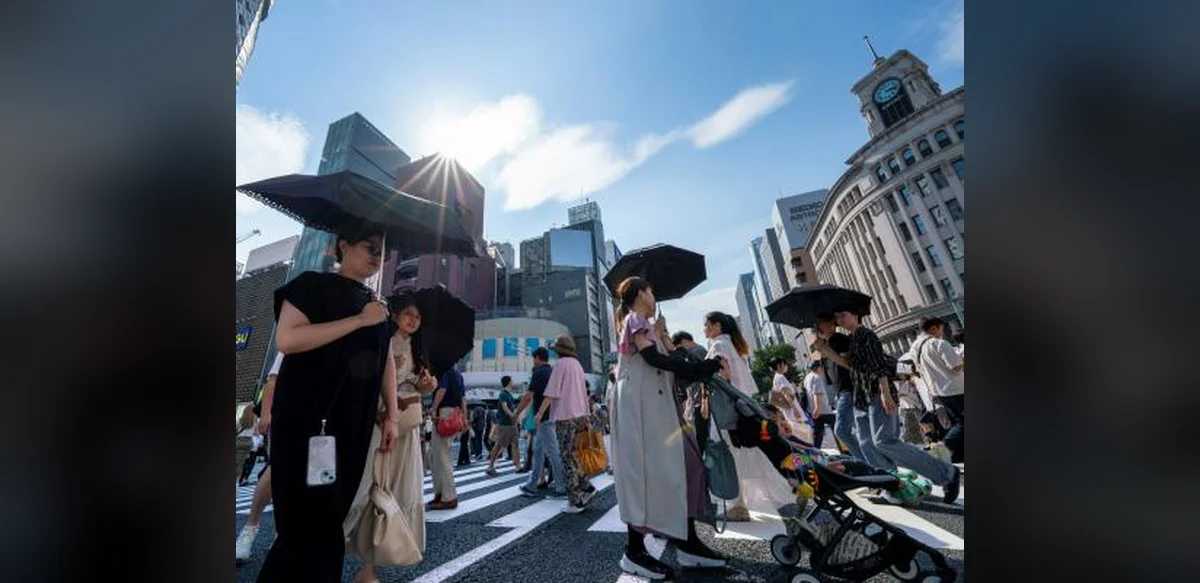
Research indicates that humans show a natural preference for turning left and walking anticlockwise when moving freely. Experiments found that individuals wandering in museums, supermarkets or empty rooms often drift in a counterclockwise path. The pattern emerged during pandemic studies on safe distancing in shared spaces, where video analysis revealed crowds consistently moving anticlockwise. Further tests with single walkers and small groups in enclosed areas confirmed the bias across different settings. Collaboration with researchers in Japan produced similar results, ruling out cultural factors. The tendency persisted after accounting for handedness, foot dominance and eye preference, though it appeared stronger in children. Scientists suggest small individual biases accumulate into a larger group rotation. The underlying cause remains unclear despite additional virtual reality trials and tests simulating leg injuries. Similar left-turn preferences have been observed in rock ants exploring new nests. Experts note that slight bodily asymmetry and how the brain processes sensory data with muscle coordination may contribute. Understanding the pattern could improve crowd simulations and the design of public spaces such as stations and stores. Historical athletic rules also reflect this preference, with modern track events standardized to run anticlockwise since 1913.