


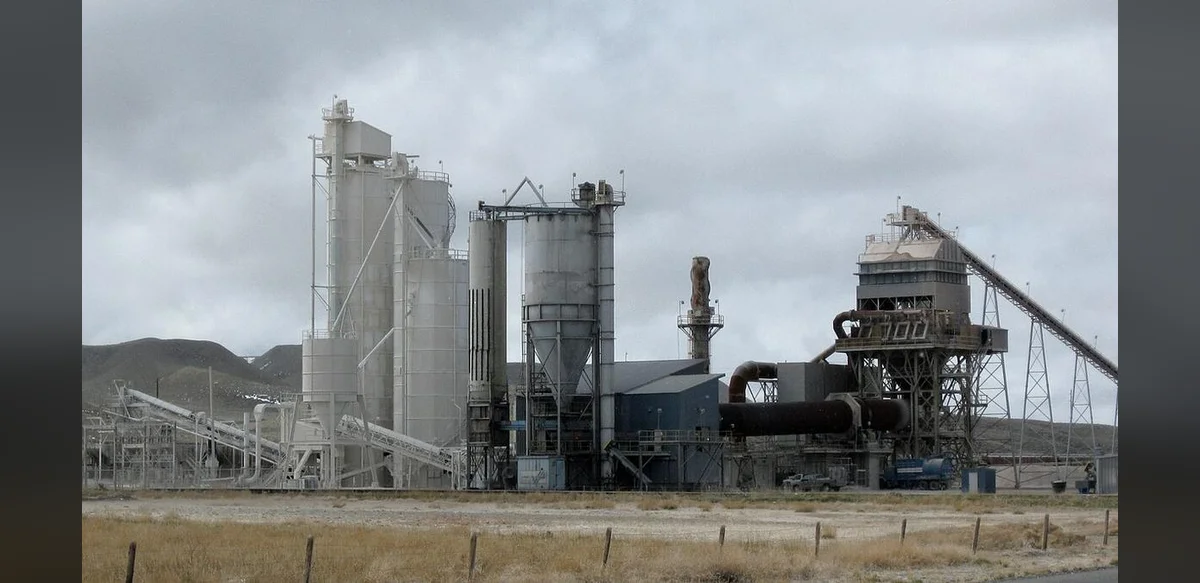
Pyroprocessing refers to altering solid substances through intense heat to modify their physical or chemical state. This dry method consumes substantial energy and finds primary application in cement production, metal extraction, and nuclear fuel handling.
Cement manufacturing relies on it most heavily. Raw limestone, clay, and iron are ground finely before entering a rotary kiln. At 900 degrees Celsius, limestone releases carbon dioxide; near 1,450 degrees Celsius, the blend partially liquefies into small clinker nodules, which are later ground into cement.
Metallurgy employs pyroprocessing across several steps to isolate metals from ores. Sulphide ores undergo roasting in air to form oxides, such as zinc oxide. Smelting then liquefies the material to separate metal from slag impurities. Calcining similarly heats limestone to produce lime.
Nuclear applications involve reprocessing spent fuel using methods from the 1980s and 1990s. Fuel fragments enter a molten salt bath of lithium and potassium chlorides above 500 degrees Celsius. An electric current separates elements by electrochemical traits, allowing recovery of desired materials in distinct streams.
Japan, South Korea, and the United States have researched this approach for advanced fast reactor programs.

