


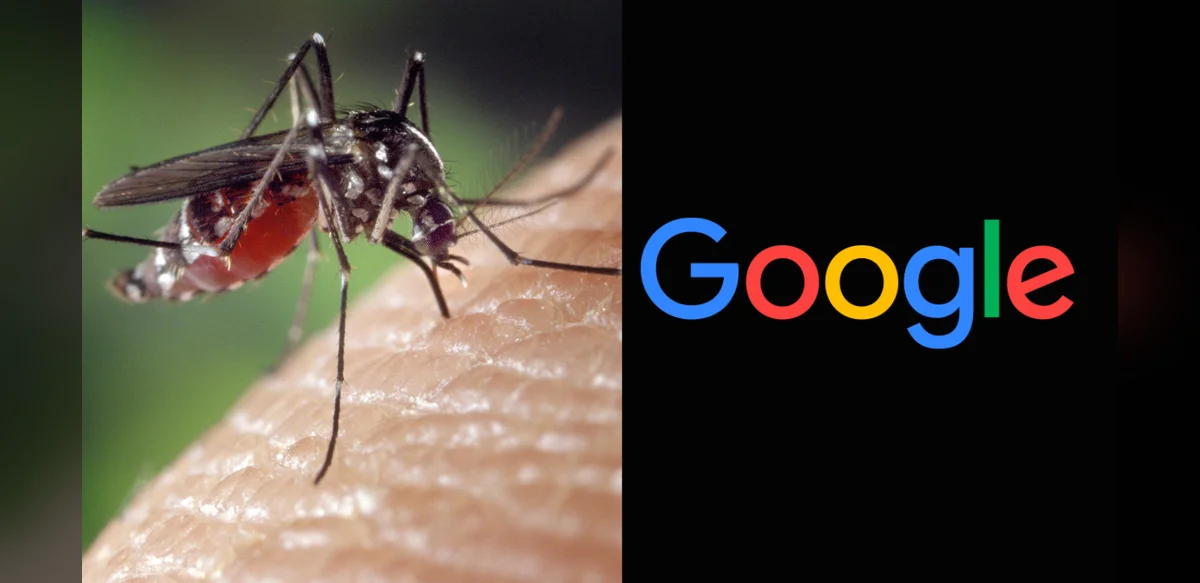
Mosquito-borne illnesses like dengue, Zika and chikungunya threaten millions worldwide. Rising temperatures and growing insect populations have led researchers to test new strategies. The leading method uses Wolbachia, a common bacterium in many insects.
Wolbachia lives inside cells of roughly sixty percent of insect species such as butterflies, bees and beetles, according to the World Mosquito Program. It does not harm people or animals. Aedes aegypti mosquitoes, primary carriers of dengue and related viruses, lack this bacterium naturally. Scientists therefore introduce it artificially.
Once inside the mosquitoes, Wolbachia blocks viruses from multiplying, sharply lowering the chance they pass the pathogens to humans. The World Mosquito Program states that the bacterium stops dengue, chikungunya and Zika from replicating in Aedes aegypti.
The technique releases Wolbachia-carrying mosquitoes into local populations, allowing the bacterium to spread across generations. More than ten years of trials have produced strong supporting data.
A 2025 Nature study on mosquito populations in Ethiopia showed Wolbachia established successfully in Aedes aegypti and reduced dengue transmission. Residents in release zones recorded fewer infections and hospital admissions than those in untreated areas.
From a health standpoint, limiting mosquito transmission ability proves more effective than widespread pesticide application, which faces resistance and environmental concerns. The method requires no genetic engineering and carries no risk to humans or animals.
Dengue now endangers half the global population, with 100 to 400 million cases yearly. Conventional controls struggle with costs and resistance. Wolbachia offers a sustainable alternative as mosquito ranges expand. A Google-backed effort has released 32 million treated mosquitoes to advance this approach.

