


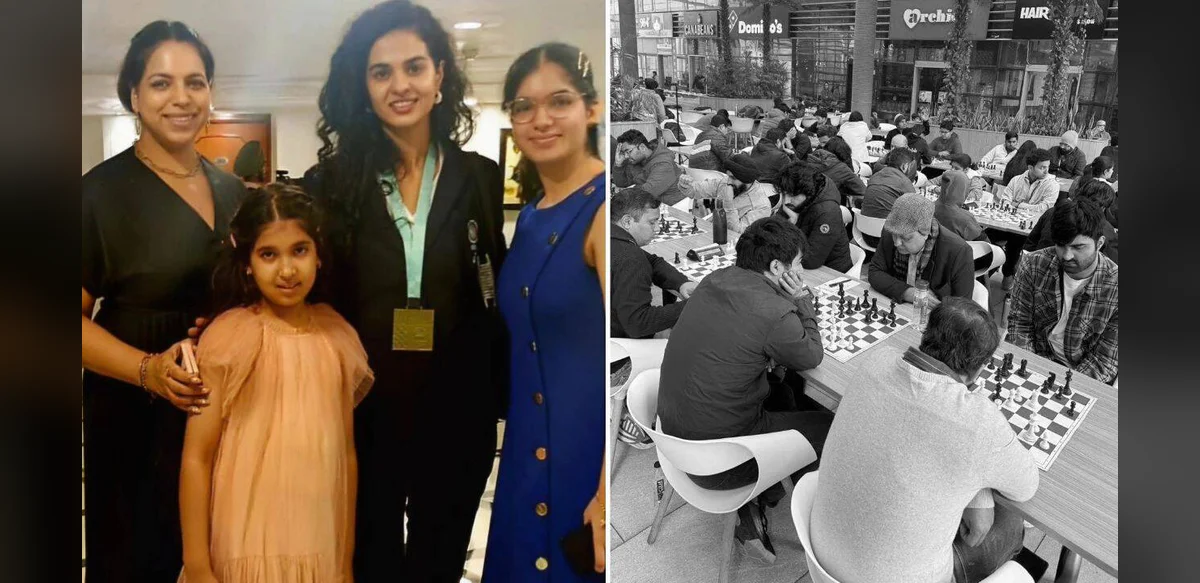
In recent years, interest in chess has grown steadily across India, with more families recognizing the game as a valuable pursuit for young minds. One individual who has contributed significantly to this development is a former corporate professional who stepped away from a high-paying position to focus on her child’s interest in the sport. After leaving a role that offered fifty lakh rupees annually, she identified several shortcomings in the local chess infrastructure in Delhi and decided to address them directly.
The transition began when she noticed that opportunities for structured training and regular competitions were limited for many aspiring players. Rather than relying on existing systems, she took steps to establish an academy designed to welcome participants from various backgrounds. This initiative quickly expanded to include regular tournaments that catered to different skill levels and age groups, creating spaces where beginners and more experienced individuals could compete comfortably.
Over time, these efforts grew beyond the initial location. Programs were introduced in multiple regions, eventually reaching eight states in northern India. The focus remained on making chess accessible to a wider audience, including those who might otherwise face barriers due to location, cost, or prior experience. Community groups were formed to encourage ongoing participation and to foster an environment where the emphasis lies on enjoyment and personal growth instead of solely on rankings or achievements.
The approach prioritizes inclusion, ensuring that players with diverse abilities and from varied circumstances can take part. Activities are structured to promote a positive culture around the game, one that values learning and social interaction alongside competitive elements. This has helped build networks of support among families and enthusiasts who share similar goals.
Challenges in developing such initiatives often include securing venues, attracting volunteers, and maintaining consistent engagement across different areas. By addressing these issues through careful planning and collaboration, the programs have sustained momentum and continued to attract new participants. Feedback from those involved highlights the sense of community that has emerged, with many noting improved confidence and social connections formed through regular involvement.
The broader impact extends to raising awareness about the benefits of chess as an educational tool. Schools and local organizations in the covered regions have begun to incorporate similar activities, inspired by the model of open and supportive events. This ripple effect contributes to a more vibrant chess scene that reaches beyond major cities into smaller towns and rural settings.
Looking ahead, the initiatives aim to maintain their core principles while exploring ways to scale further without compromising quality or accessibility. The story serves as an example of how individual commitment can lead to meaningful changes in recreational and developmental opportunities for many. By focusing on foundational aspects like training access and inclusive events, these efforts help sustain long-term interest in chess across generations.
Overall, the work demonstrates the potential for grassroots movements to fill gaps in established ecosystems. It underscores the importance of adaptability and community involvement in promoting activities that benefit mental skills and social bonds alike. As participation continues to rise, the emphasis on values beyond competition ensures that chess remains an enriching pursuit for all who engage with it.

