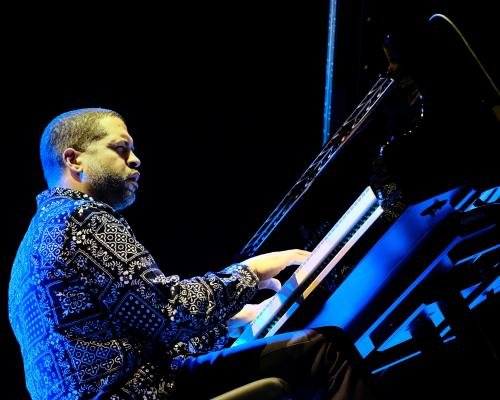
Last month, acclaimed jazz pianist and composer Jason Moran received an unusual call from his friend, bassist Burniss Earl Travis. Travis had spotted what appeared to be a new album by Moran on Spotify and questioned its authenticity. Moran, who avoids the platform and distributes his music solely through Bandcamp, investigated and found a profile in his name featuring albums from his past label, Blue Note Records, which holds rights to his earlier work. Among them was a recent EP called For You, with artwork showing a young woman in a rainy, anime-inspired scene. Upon listening, Moran noted the absence of piano and described the tracks as indie pop, far removed from his style. He took steps to have the fraudulent release removed. Moran joins a rising number of artists affected by apparent AI-generated imitations on streaming services. This has impacted over a dozen prominent figures in jazz, indie rock, and even hip-hop artist Drake. Musicians find the influx of such artificial content irritating and eerie, with Moran comparing it to a Black Mirror episode involving a duplicated celebrity persona disrupting the real person’s life. Spotify has recognized the issue, stating in September that it removed over 75 million spam tracks in the prior year and enhanced artist protections against impersonation. In a recent blog update, the company announced a forthcoming tool allowing artists to review and approve or reject releases under their names before publication, emphasizing the priority of safeguarding artist identities. A Spotify representative explained that the platform uses various measures, including automated detection, manual reviews, and reporting mechanisms, to block unauthorized material, claiming it is unique in offering such a tool. However, Moran, previously the jazz artistic director at the Kennedy Center, believes these efforts fall short, particularly since AI content often evades internal checks and the problem persists. He worries about the extra burden on artists not using Spotify and on estates of deceased musicians. He questioned how figures like John Coltrane or Billie Holiday could authenticate supposed new releases, such as a fabricated 1952 Paris concert recording, noting their inability to intervene. The spokesperson clarified that representatives of deceased artists’ estates can access the new tool with an account, while for others without accounts, Spotify depends on its internal monitoring systems. Following Travis’s alert, Moran shared a video on social media about the incident, leading to responses from numerous artists reporting similar experiences, some ongoing for years. In jazz, affected individuals include pianist Benny Green, saxophonist Antonio Hart, drummer Nate Smith, the band Hiatus Kaiyote, and vocalists Dee Dee Bridgewater, Jazzmeia Horn, and Freddy Cole, sibling of Nat King Cole. Moran highlighted the risk, suggesting that a fake album under a name like Frank Ocean would still attract streams. Reports from last October indicated indie rock artists Luke Temple and Uncle Tupelo faced account takeovers by AI, as did the late electro-pop musician Sophie and country singer Blaze Foley. In December, after Australian band King Gizzard and the Lizard Wizard pulled their catalog from Spotify, an AI mimic named King Lizard Wizard emerged with matching song names and subpar generated artwork. Morgan Hayduk, co-CEO of Beatdapp, a firm specializing in detecting fraud in music streaming, stated that AI has intensified these issues.