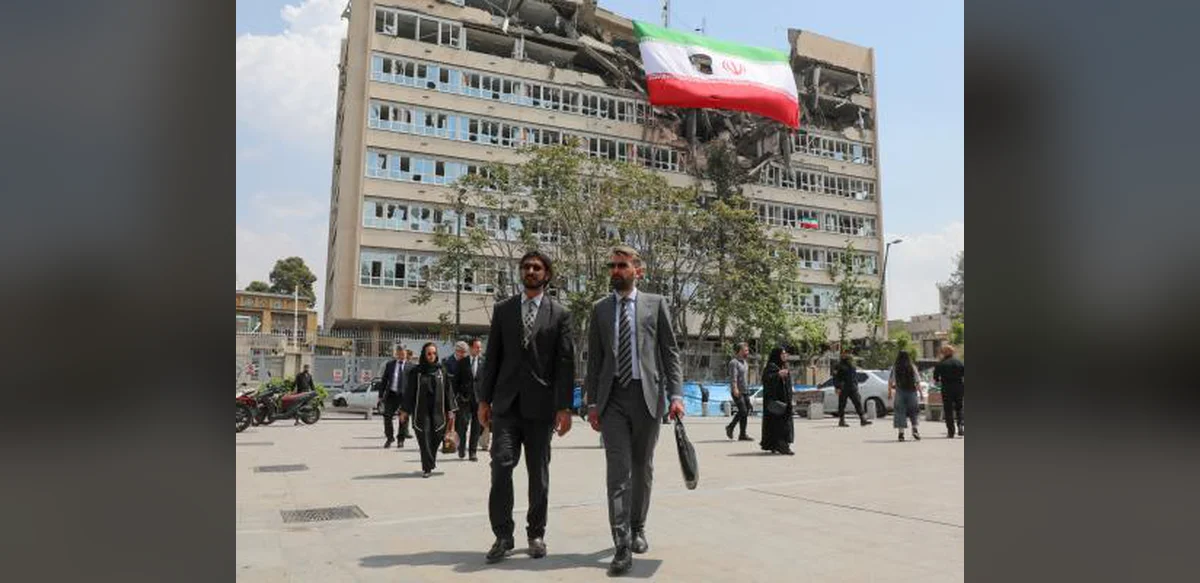
Iran is evaluating whether to proceed with negotiations involving the United States in Pakistan, while asserting it possesses new strategic advantages in the conflict. Following initial discussions, U.S. actions, including a naval blockade in the Strait of Hormuz and provocative social media statements by President Donald Trump, prompted Iran to resist further talks under duress. Last week, Pakistan’s army chief visited Tehran to revive the process and schedule a second round in Islamabad. Although both parties initially agreed to reconvene this week, Iran withdrew after U.S. forces seized an Iranian vessel, labeling it as piracy with severe repercussions. As of Wednesday, Iran’s participation remained uncertain. On Tuesday, Trump warned that Iran must negotiate or face unprecedented challenges. Pakistan has significant stakes in these talks, having facilitated a temporary ceasefire on April 8 through efforts by Army Chief Field Marshal Asim Munir, averting Trump’s threats of massive retaliation. The first session in Islamabad on April 11 was viewed as a diplomatic success for Pakistan, with high-level Iranian delegations attending. Discussions, mediated by Pakistan, transitioned to direct meetings led by U.S. Vice President JD Vance and Iranian parliamentary speaker Mohammad Bagher Ghalibaf, lasting 21 hours with multiple calls to Trump. However, Vance departed without an agreement, citing Iran’s unwillingness to compromise on its nuclear program. Iran denounced the ship seizure as maritime piracy, demanding the release of the vessel, crew, and families, claiming it breaches international law and the ceasefire. The incident was reported to the United Nations, urging condemnation. U.S. Central Command confirmed marines boarded the ship from the USS Tripoli. This development cast doubt on the planned talks amid the ceasefire’s expiration. Trump described recovering uranium from Iran as a prolonged challenge after last year’s strikes on nuclear sites, which he claimed fully destroyed the program, though evidence showed underground facilities at Isfahan and Natanz survived. He criticized media coverage and reiterated claims of Iranian concessions on uranium, which Iran denied. The status of Iran’s nuclear materials remains a central dispute. Pakistani officials expressed hope for the second round, despite Iranian hesitations.