


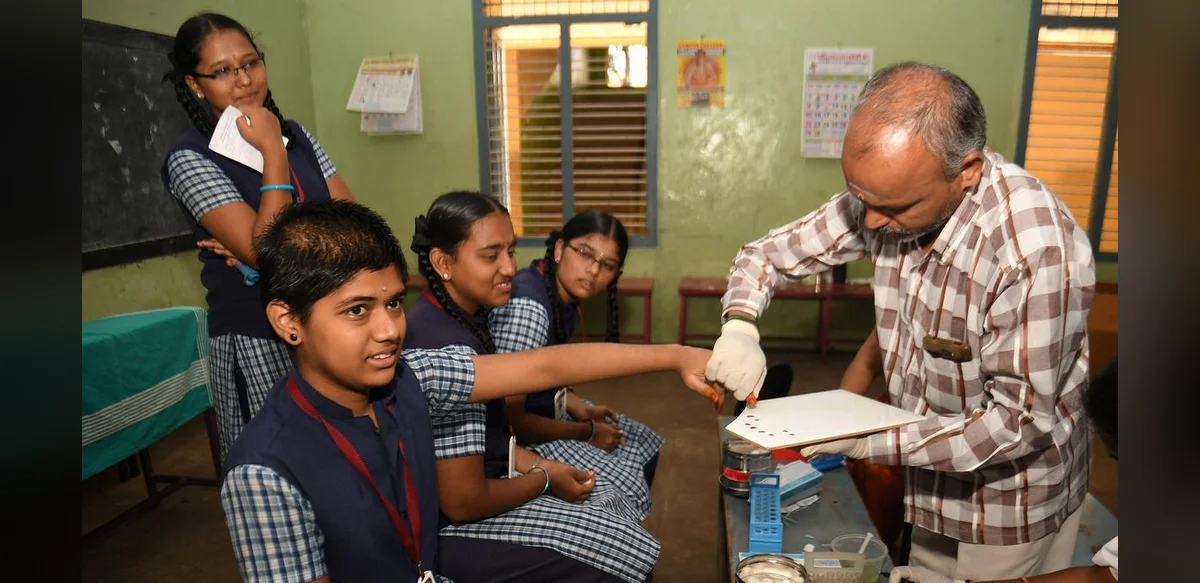
India’s efforts against anaemia have long relied on iron-folic acid tablets, deworming drives and nutrition advice. Updated Operational Guidelines for the Anaemia Mukt Bharat programme, due for launch on June 29, mark a wider approach to the issue.
The revised plan adds low birth weight infants aged 0-6 months, stresses regular intake of iron-rich and varied diets, and introduces digital tracking of patients.
This lifecycle strategy delivers age-specific measures from newborns through childhood, adolescence, reproductive years, pregnancy and lactation, addressing anaemia at every stage rather than only during pregnancy.
The aim is to shift from tablet distribution alone to timely diagnosis, prompt treatment and regular follow-up so beneficiaries recover fully.
Low birth weight newborns are now a priority group because they start with lower iron stores and face higher early anaemia risk. Guidelines stress therapeutic care, referrals for severe cases and digital monitoring to track adherence and recovery.
Latest Health Ministry data show anaemia affects 67.1% of children aged 6–59 months, 59.1% of adolescent girls aged 15–19, 31.1% of adolescent boys and 52.2% of women aged 15–49, confirming its status as a major public health concern.
The updates expand coverage across life stages, strengthen screening and diagnosis, and ensure treatment and follow-up to improve results.
Prevention now targets every phase, including before pregnancy. Anaemia often begins in childhood, worsens in adolescence and persists through pregnancy and after birth, creating an intergenerational cycle. Breaking it requires action at all stages.
Earlier guidelines covered six groups; low birth weight newborns are added and nutrition support is encouraged before conception to improve maternal health and birth outcomes.
Anaemia arises not only from iron deficiency but also from folate and vitamin B12 shortfalls, infections, worm infestations, inherited blood disorders and limited dietary variety.
Haemoglobin records for pregnant women will be entered in the JANANI Portal, while children’s data will use RBSK and U-WIN portals. These systems will merge into a single AMB Abhiyaan Portal for monitoring and planning.

