


Many conditions can trigger itching, including some serious illnesses. Physicians have long cautioned that excessive scratching risks harming the skin. Recent studies now clarify how even a minor itch can lead to repeated scratching if the urge is followed.
Scientists investigated this by fitting mice with small protective collars to observe cellular changes during itching, whether scratched or not. The work also explains the initial relief from scratching. Since mammals and even fish scratch, an evolutionary benefit is likely. Mouse tests suggest possible germ defense, though not justification for scratching.
Dermatologist Daniel Kaplan at the University of Pittsburgh examined allergic contact dermatitis from irritants like poison ivy. His group applied a rash-causing substance to mouse ears. Normal mice scratched, drawing inflammatory cells and increasing swelling. Mice lacking functional itch nerves showed milder reactions. Collared mice that could not scratch also had reduced swelling and fewer inflammatory cells.
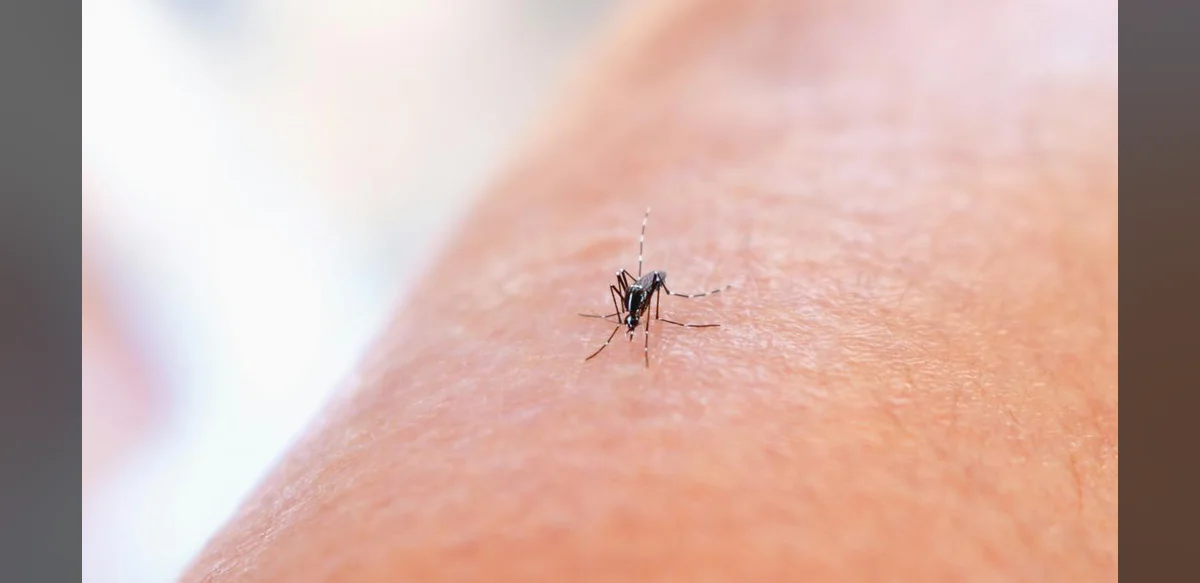
Kaplan noted this aligns with common observations that scratching aggravates symptoms. Ignoring a mosquito bite usually ends the itch quickly, but scratching prolongs irritation.
The team studied mast cells, early immune responders that release histamine and other compounds. Scratching activates pain nerves, which emit substance P and stimulate mast cells differently from allergens, amplifying inflammation.
Evolutionary relief from scratching may aid parasite removal. Tests also showed scratched mice had fewer Staphylococcus aureus bacteria, possibly due to added inflammation.

