


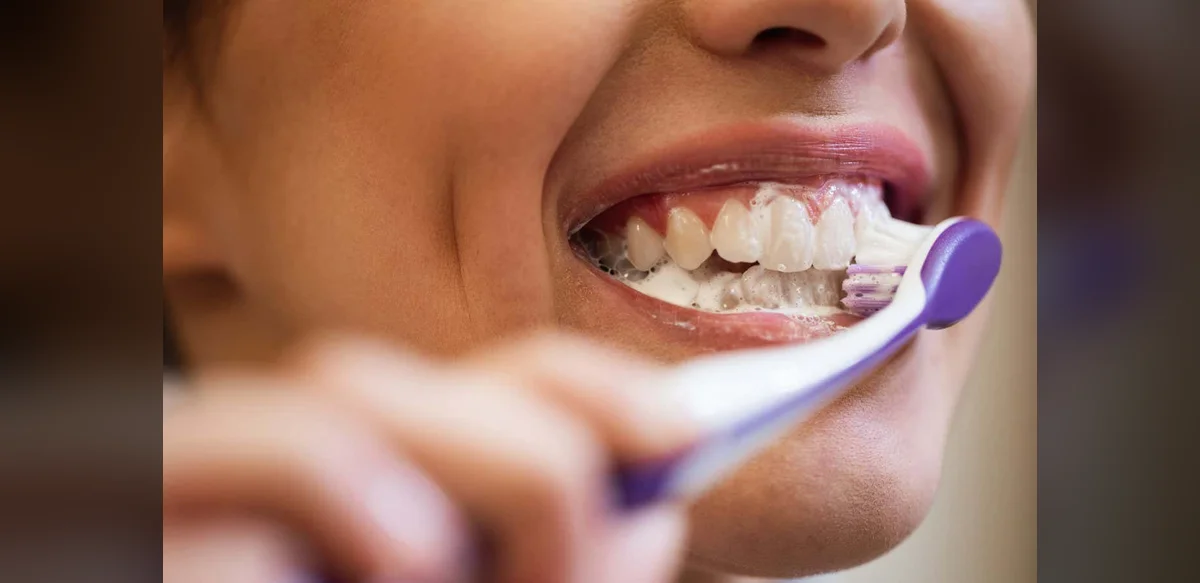
Many patients in hospitals neglect regular toothbrushing, yet this simple habit could substantially decrease their chances of contracting pneumonia while admitted.
The advantages of maintaining oral hygiene during hospital stays have often been neglected.
Performing toothbrushing routines in a hospital setting can markedly lower the likelihood of developing pneumonia.
Numerous individuals in hospitals skip brushing their teeth for reasons such as forgetting supplies, lack of motivation, physical limitations, or oversight. Healthcare providers frequently omit standard oral care from patient services.
However, the most extensive randomized controlled trial on this topic found that patients given a toothbrush, toothpaste, and guidance on dental hygiene experienced a 60 percent reduction in a prevalent type of pneumonia acquired in hospitals, according to Brett Mitchell from Avondale University in Australia.
“This underscores the necessity to inform patients about pneumonia risks and the value of oral hygiene and toothbrushing during hospitalization,” he stated.
It is well-known that ventilated patients frequently develop pneumonia partly because equipment disrupts normal breathing processes. Yet, many non-ventilated patients also contract pneumonia at least two days after admission. Experts continue to investigate causes and prevention methods, especially given its association with extended stays, elevated expenses, and higher death rates.
“This is a significant issue,” noted Michael Klompas from Harvard University, not involved in the research. “Pneumonia contracted in hospitals ranks among the most frequent and lethal infections linked to healthcare, with limited solid evidence on optimal prevention strategies.”
Mitchell hypothesized a connection to oral bacteria, as the mouth’s microbial environment influences lung health through inhaled particles. Hospitalization alters this microbial balance, he explained. “We believed it was crucial to intervene.”
Thus, he and his team conducted a 12-month randomized controlled trial with 8,870 participants across three Australian hospitals to evaluate oral care’s impact on pneumonia risks. Findings from this segment of the Hospital-Acquired Pneumonia Prevention (HAPPEN) study were shared at the European Society of Clinical Microbiology and Infectious Diseases congress in Munich, Germany.
Each hospital split participants into three groups. Initially, no interventions occurred for three months. Then, one group received toothpaste, a toothbrush marked with prevention messages, and a QR code for educational resources on a dedicated site. The brushes featured handles suited for those with limited mobility.
After six months, the second group got the supplies, and the third after nine months, ensuring all had access for the study’s final quarter.
Additionally, the team trained ward nurses in oral care and supplied professional resources online. Nurses were urged to prompt patients on brushing and flossing and assist as needed.
Without interventions, just 15.9 percent of patients brushed daily. With them, 61.5 percent did so at least once daily, averaging 1.5 times. Site analytics showed frequent visits by patients and staff during these phases, Mitchell reported.
This led to a sharp decline in non-ventilator-related hospital pneumonia cases, from 1 per 100 admission days in controls to 0.41 in the intervention group.
“This research is compelling,” said Klompas, praising its scale and design. “It shows that toothbrushing in hospitals benefits oral health and well-being, and could even save lives.”
Pyry Sipilä from the University of Helsinki in Finland commended the emphasis on this topic.

