


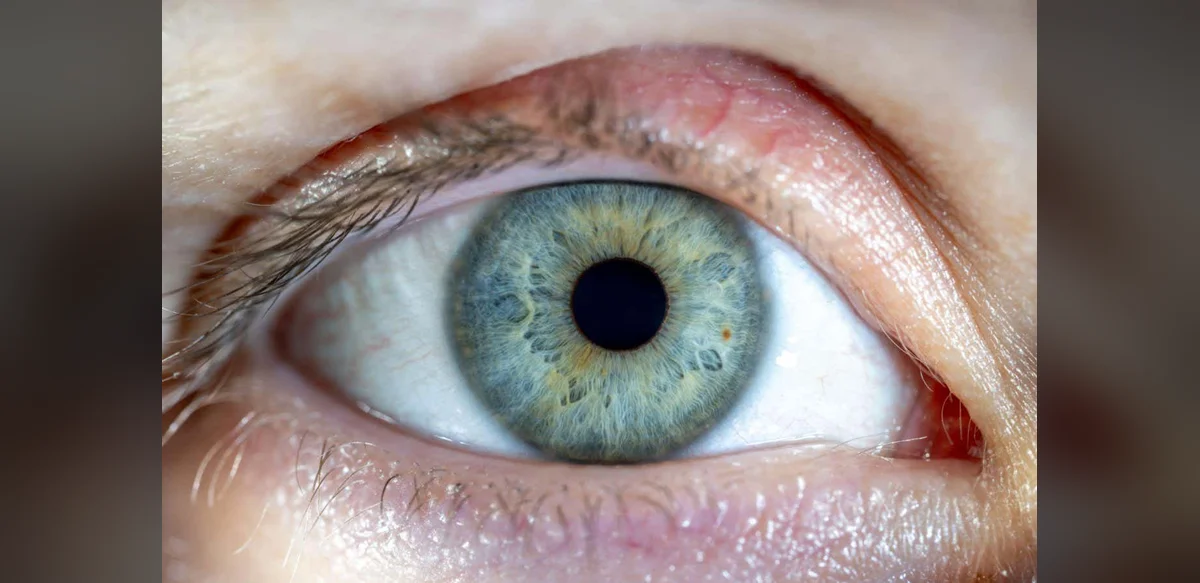
Perfusing donor human retinas with blood and oxygen allowed them to keep responding to light for as long as 10 hours after death. This advance brings whole-eye transplants that could restore vision closer to reality.
Preserving retinal function outside the body supports progress toward successful transplants. Human eyes have now remained active for twice as long as earlier efforts after removal from donors. Delivering blood and oxygen to the tissue sustained light responses and kept structure and cell health intact for 24 hours.
The study marks an important move toward whole-eye transplantation, according to outside experts. Sustaining light responses ex vivo is considered a major achievement.
Over a million people in the UK experience blindness or partial sight from irreversible retinal conditions such as age-related macular degeneration. Corneal transplants can help some patients, yet treating the retina remains difficult because it links directly to the central nervous system.
A partial face and whole-eye transplant occurred in 2023 without restoring sight. The retina is highly vulnerable to oxygen deprivation, which rapidly damages light-sensitive cells and circuits.
Researchers developed a system that inserts a flexible tube into the ophthalmic artery and perfuses the eye with an oxygenated solution inside a custom device that automatically controls pressure and flow.
Paired tests showed that perfused eyes retained retinal structure and surrounding cell health for 24 hours, while untreated eyes deteriorated quickly. In a larger set of 36 perfused eyes, 15 produced electrical responses to light comparable to those in living people, lasting up to 10 hours after death.
Restoring vision through eye transplantation will also require regenerating optic-nerve fibers to reconnect with brain visual centers. The current method does not address that step but reduces ischemic damage, potentially aiding future strategies.
The perfusion approach may also enable testing of vision therapies directly in human tissue rather than animal models, offering results more applicable to human disease.

